Технические характеристики изделия
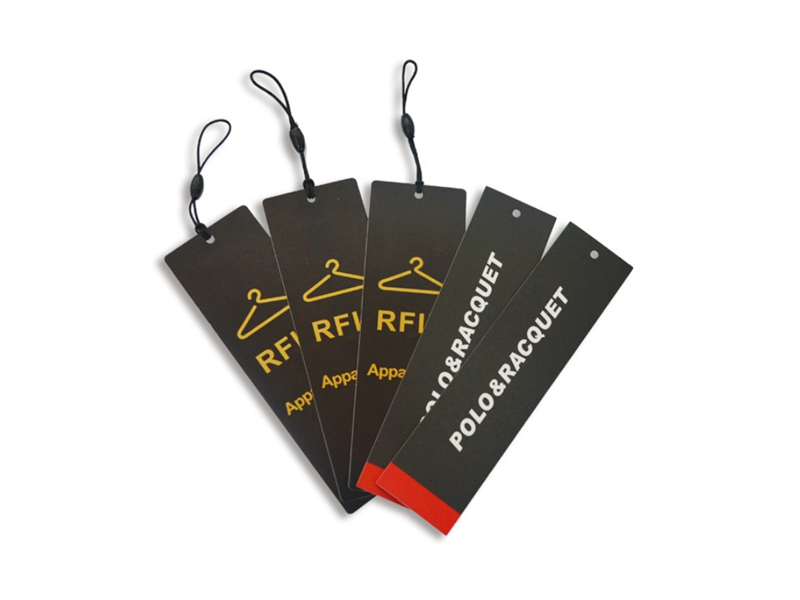
Серия: MD-PrH Series
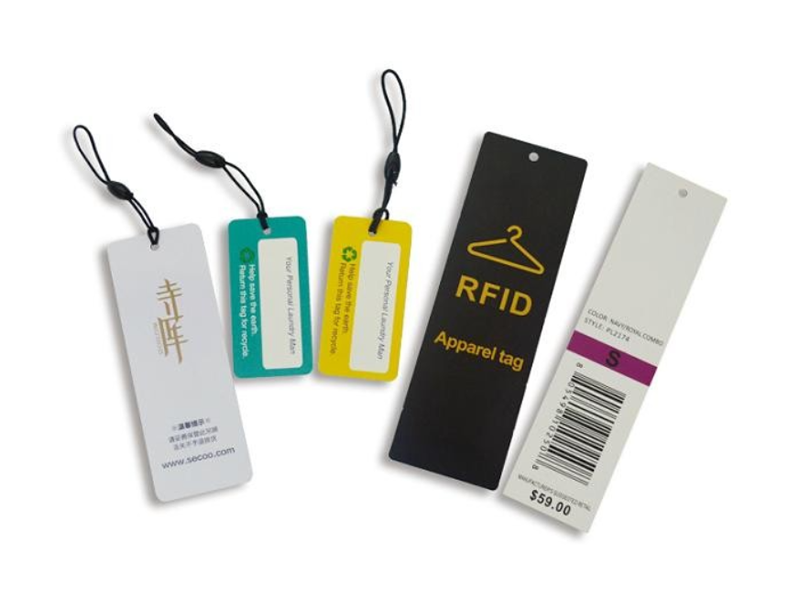
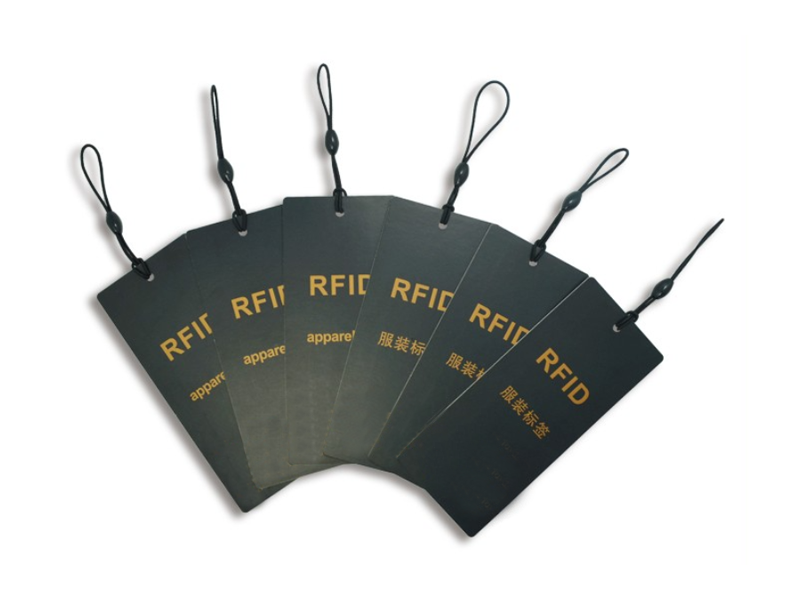
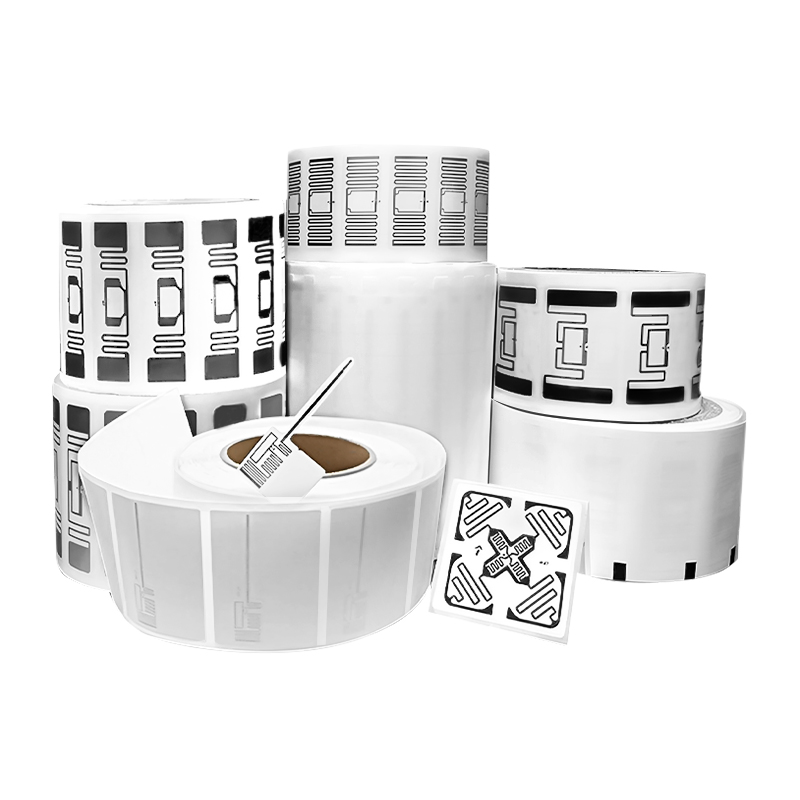
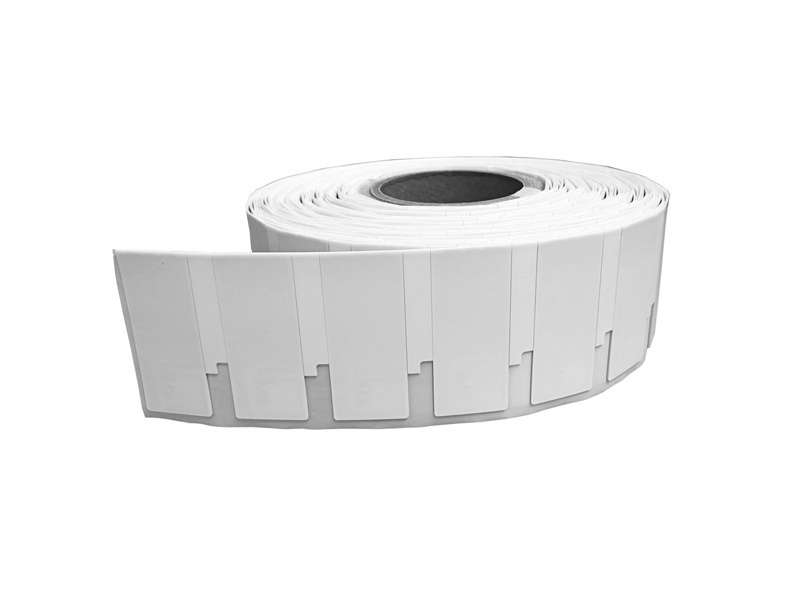
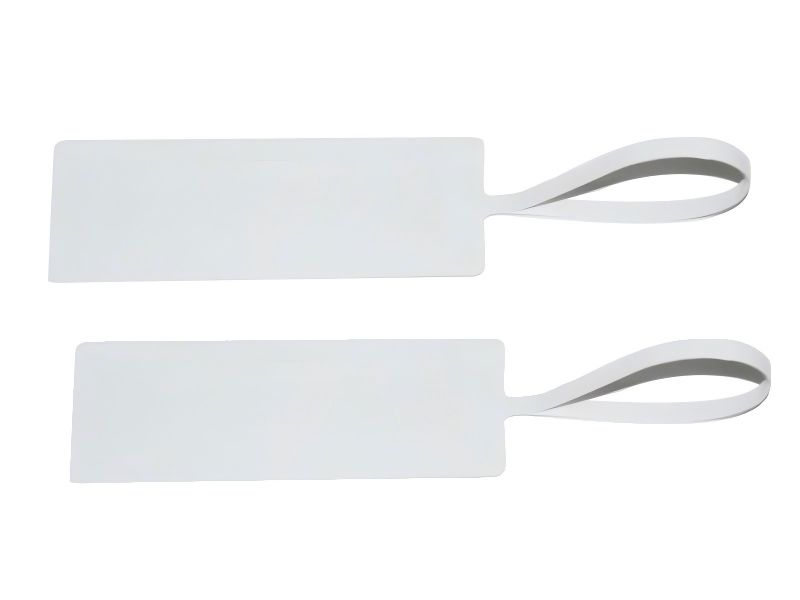
Материал: бумага или ПВХ
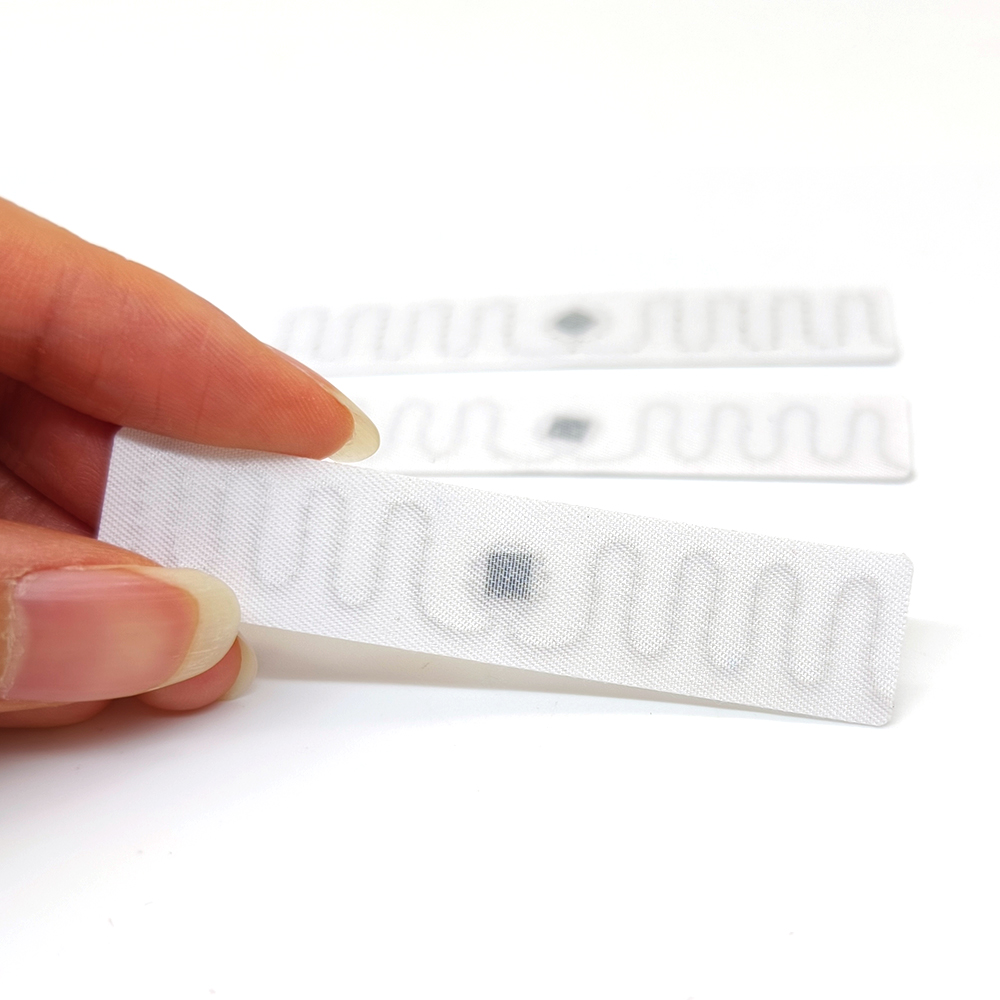
Рабочая частота: 920–925 МГц
Протокол: ISO/IEC 18000-6C
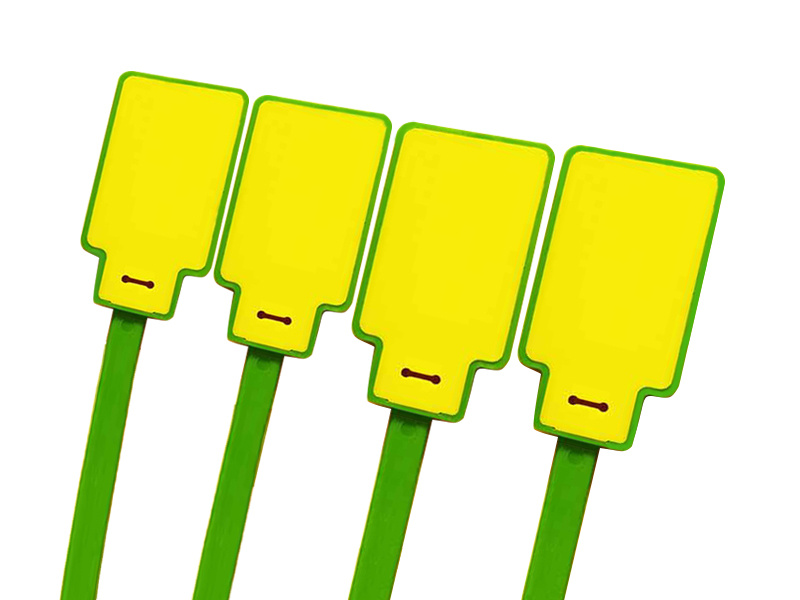
Способ установки: Подвешивание
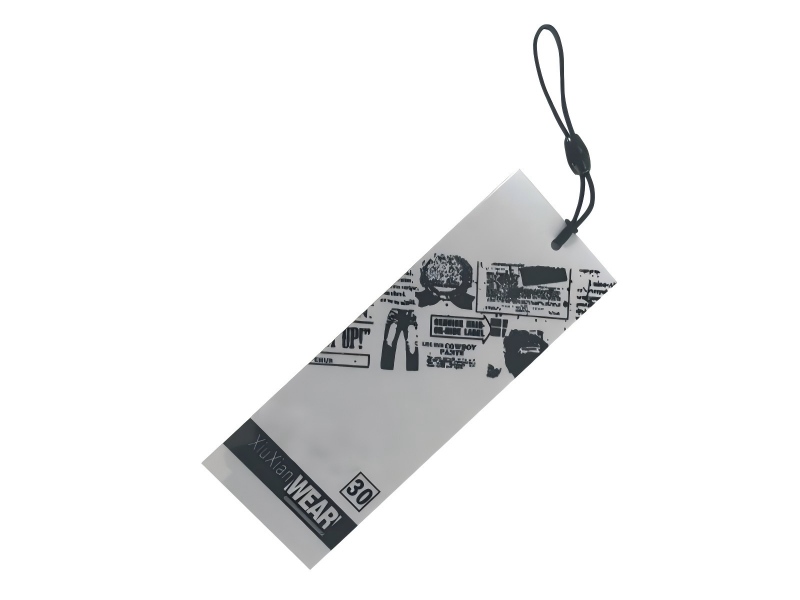
Размер: Форма и габариты могут быть изменены по индивидуальному заказу.
Расстояние для чтения: до 5 м
Области применения: управление складскими запасами одежды и управление розничными магазинами одежды.
Фактическое расстояние считывания может варьироваться в зависимости от RFID-считывателя, антенны, конфигурации метки и условий эксплуатации.
Основные преимущества
Ускоренная инвентаризация
RFID-метки на одежде позволяют считывать данные одновременно для нескольких предметов одежды. По сравнению с пошаговым сканированием штрих-кодов, RFID-технология может значительно сократить время инвентаризации на складах и в розничных магазинах.
Чтение вне прямой видимости
RFID-метки не обязательно должны быть непосредственно видны считывателю. Метки можно идентифицировать даже под одеждой или внутри коробок, что делает ежедневные операции по учету запасов быстрее и гибче.
Идентификация на уровне элемента
Каждая бирка может содержать уникальный идентификатор для конкретного изделия. Это позволяет предприятиям более точно управлять товарами по стилю, размеру, цвету, партии и местоположению.
Повышенная точность учета запасов
Технология RFID снижает количество пропущенных сканирований, дублирующих сканирований и ошибок при ручном вводе данных. Более точные данные об инвентаризации способствуют более эффективному пополнению запасов, перемещению товаров, выполнению заказов и планированию складских запасов.
Печать и дизайн с возможностью индивидуального оформления
На поверхность этикетки можно нанести логотипы, информацию о товаре, штрихкоды, QR-коды, цены, размеры и инструкции по уходу. Материалы, размеры и форма также могут быть изменены по вашему желанию.
Совместимость со штрих-кодами и RFID
Бирка может содержать как RFID-метки, так и печатные штрихкоды или QR-коды, что позволяет предприятиям сохранять существующие рабочие процессы, постепенно внедряя технологию RFID.
Поддержка управления запасами в рамках омниканальной торговли
При подключении к системе розничной торговли или системе управления запасами RFID-метки помогают синхронизировать данные о наличии товаров на складах, в магазинах и онлайн-каналах.
Отслеживаемость продукции
Каждая RFID-метка может быть связана с записями о продукте, такими как номер партии, дата поступления, история перемещений, статус продаж и статус возврата. При использовании соответствующей программной системы также могут поддерживаться функции аутентификации.
Проблемы, которые это помогает решить
Медленная ручная инвентаризация
Ручной подсчет и сканирование штрих-кодов требуют от персонала проверки одежды поштучно. Массовое считывание RFID-меток ускоряет инвентаризацию и сокращает объем повторяющейся работы.
Неточные инвентарные записи
Пропущенные записи, ошибки сканирования и задержки обновления могут привести к расхождениям между системными данными и фактическим наличием товара. RFID помогает более точно отслеживать перемещение продукции.
Несоответствие размеров и цветов
Похожие предметы одежды разных размеров и цветов легко перепутать. Уникальный RFID-идентификатор помогает правильно идентифицировать каждый предмет.
Задержка пополнения запасов в магазине
Неточные данные о наличии товара могут привести к пустым полкам, даже если система показывает наличие товара. Более быстрые RFID-проверки помогают магазинам выявлять нехватку товара на ранних стадиях.
Трудности с поиском одежды
Товары могут быть размещены не на той полке, возвращены не в то место или перемещены без учета. Портативные RFID-считыватели могут помочь персоналу более эффективно искать помеченные бирками предметы одежды.
Плохая синхронизация акций
Частые перемещения товаров между складами, магазинами и каналами сбыта могут создавать конфликты в учете запасов. Технология RFID обеспечивает более надежные идентификационные данные для обновления информации о наличии товаров на складе.
Неэффективная обработка возвратов
Технология RFID позволяет персоналу быстро идентифицировать возвращенные изделия и связать их с соответствующей записью о товаре, что упрощает проверку и пополнение запасов.
Ограниченные записи о перемещении продукции
Без отслеживания отдельных предметов предприятия могут не знать, куда была перемещена, продана, возвращена или хранилась та или иная вещь. RFID помогает создать более наглядные записи о перемещении товаров.
Избыток и дефицит товаров
Недостаточная прозрачность складских запасов может привести к избытку товаров в одном месте и их нехватке в другом. Более точные данные RFID способствуют более эффективному пополнению запасов и их распределению.
Высокая ручная нагрузка
Технология RFID снижает необходимость многократного сканирования, регистрации, проверки и поиска, что помогает сократить трудозатраты на выполнение рутинных задач по инвентаризации.

 ru
ru 









 Поддерживается сеть IPv6