Обзор продукта
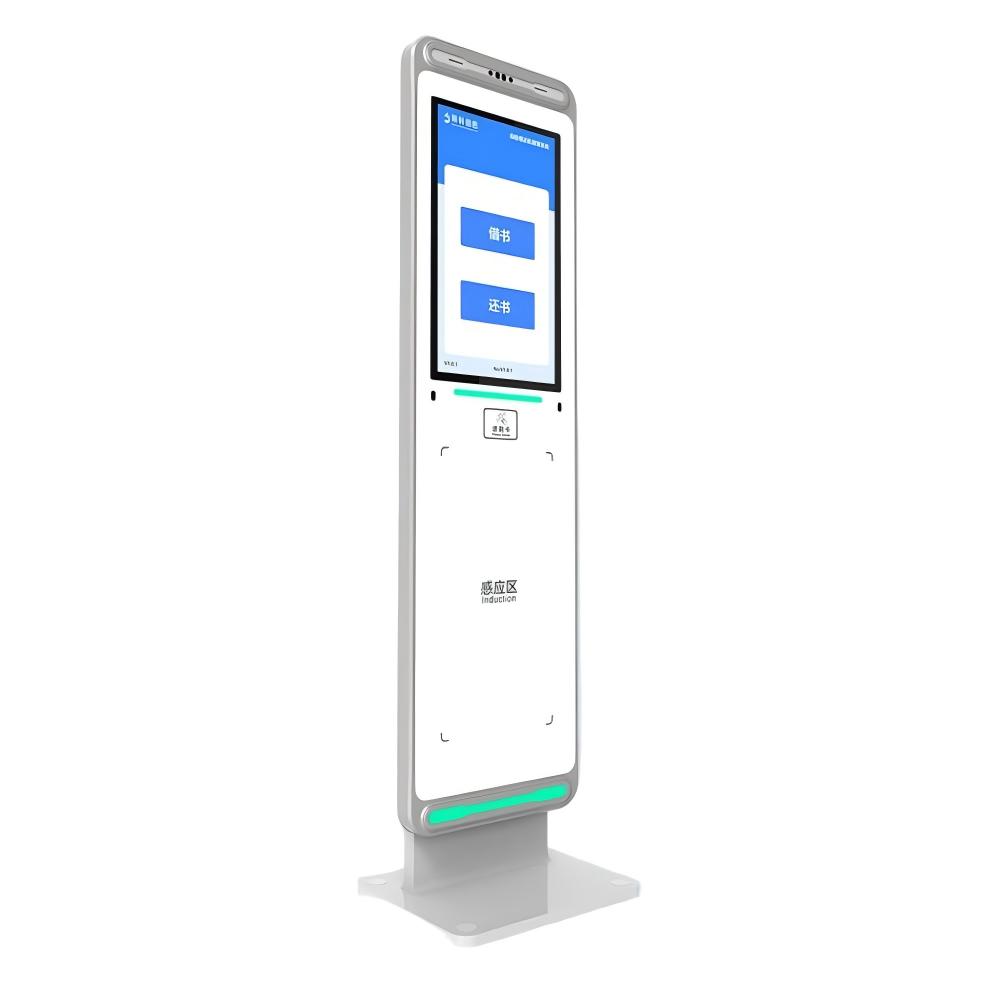
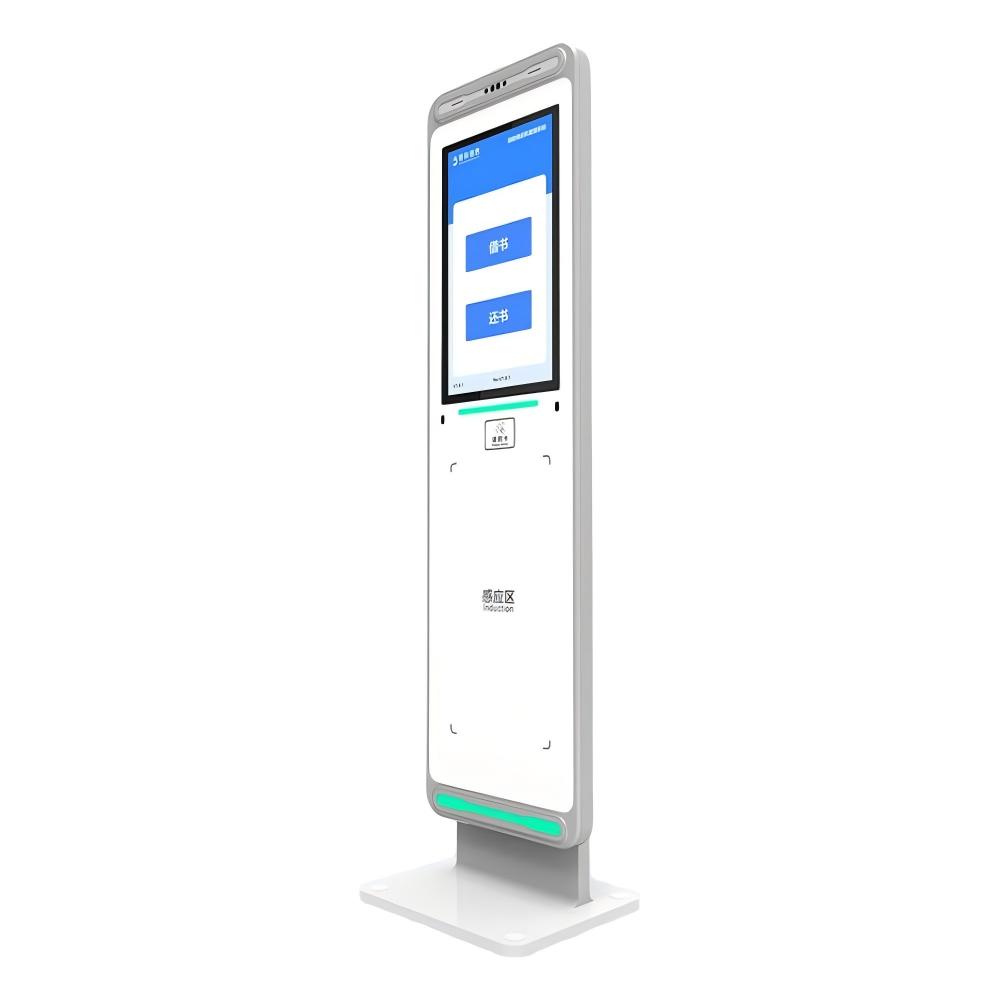
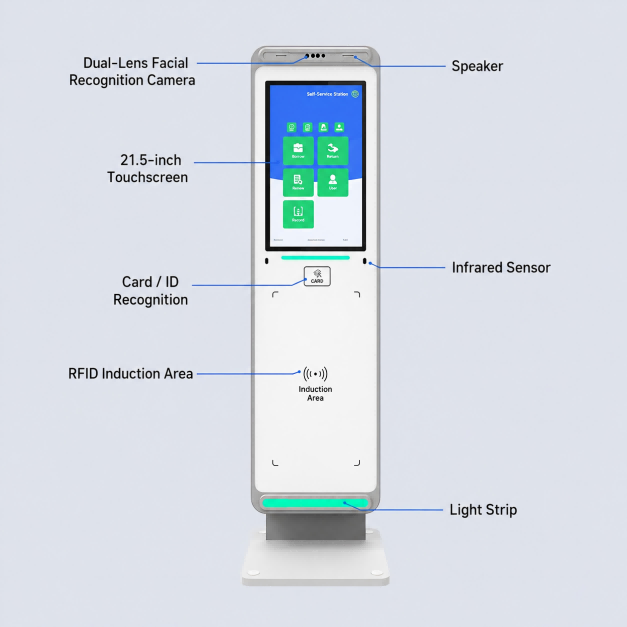
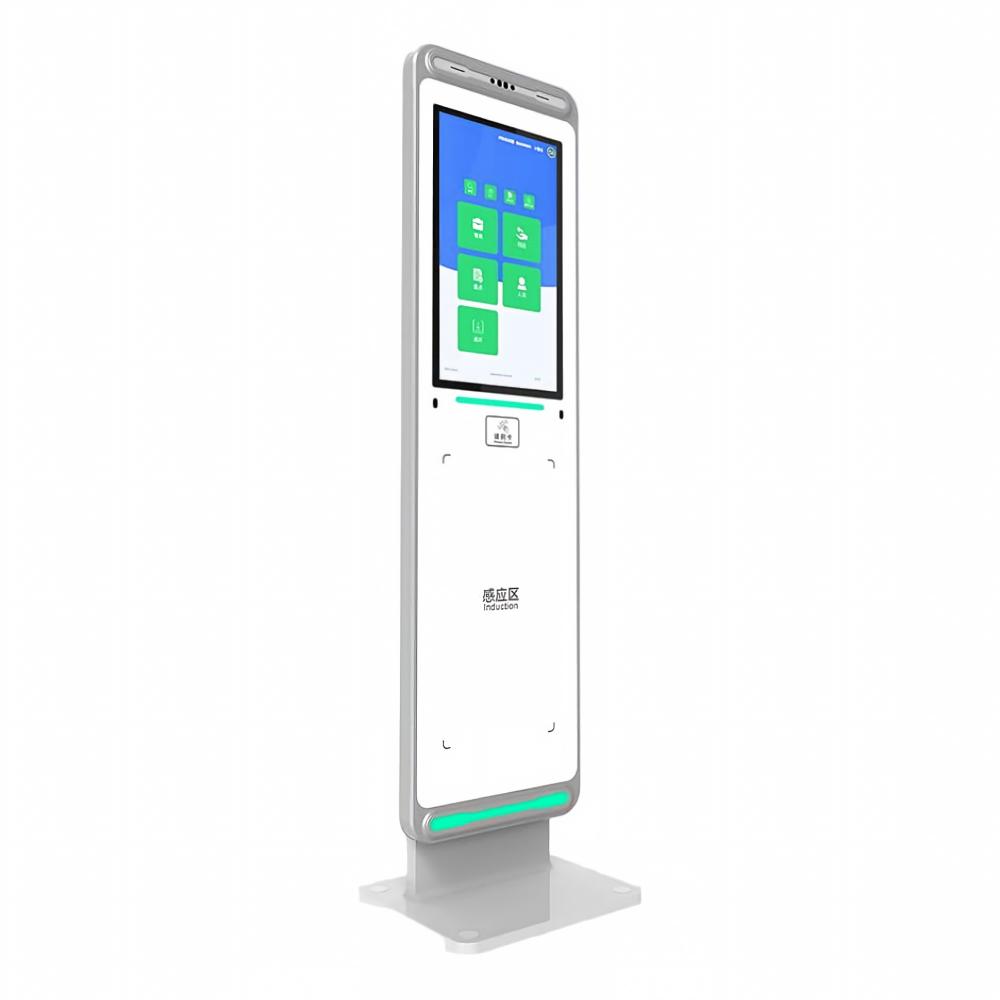
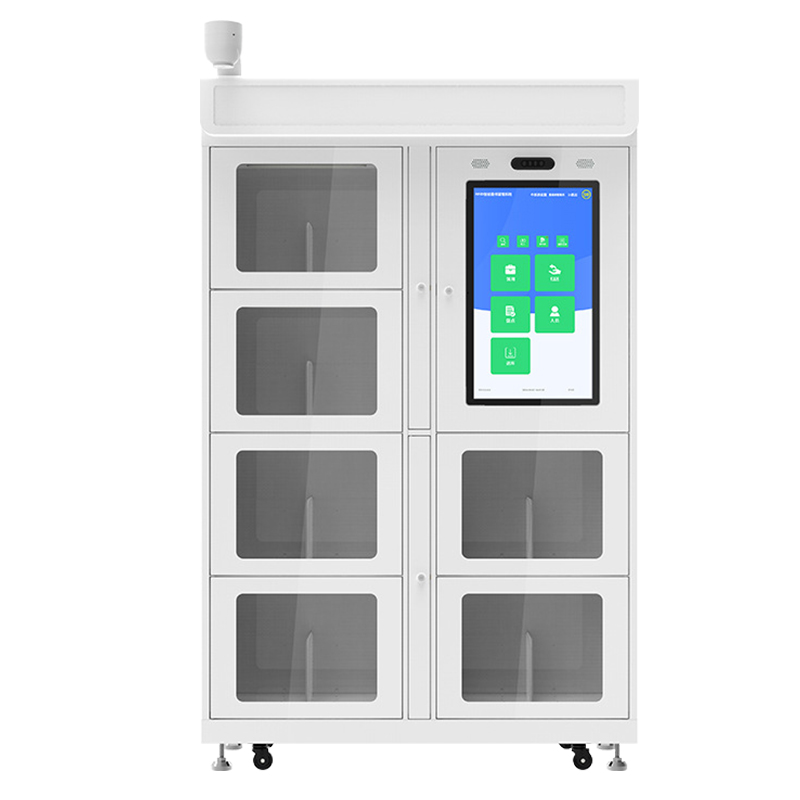
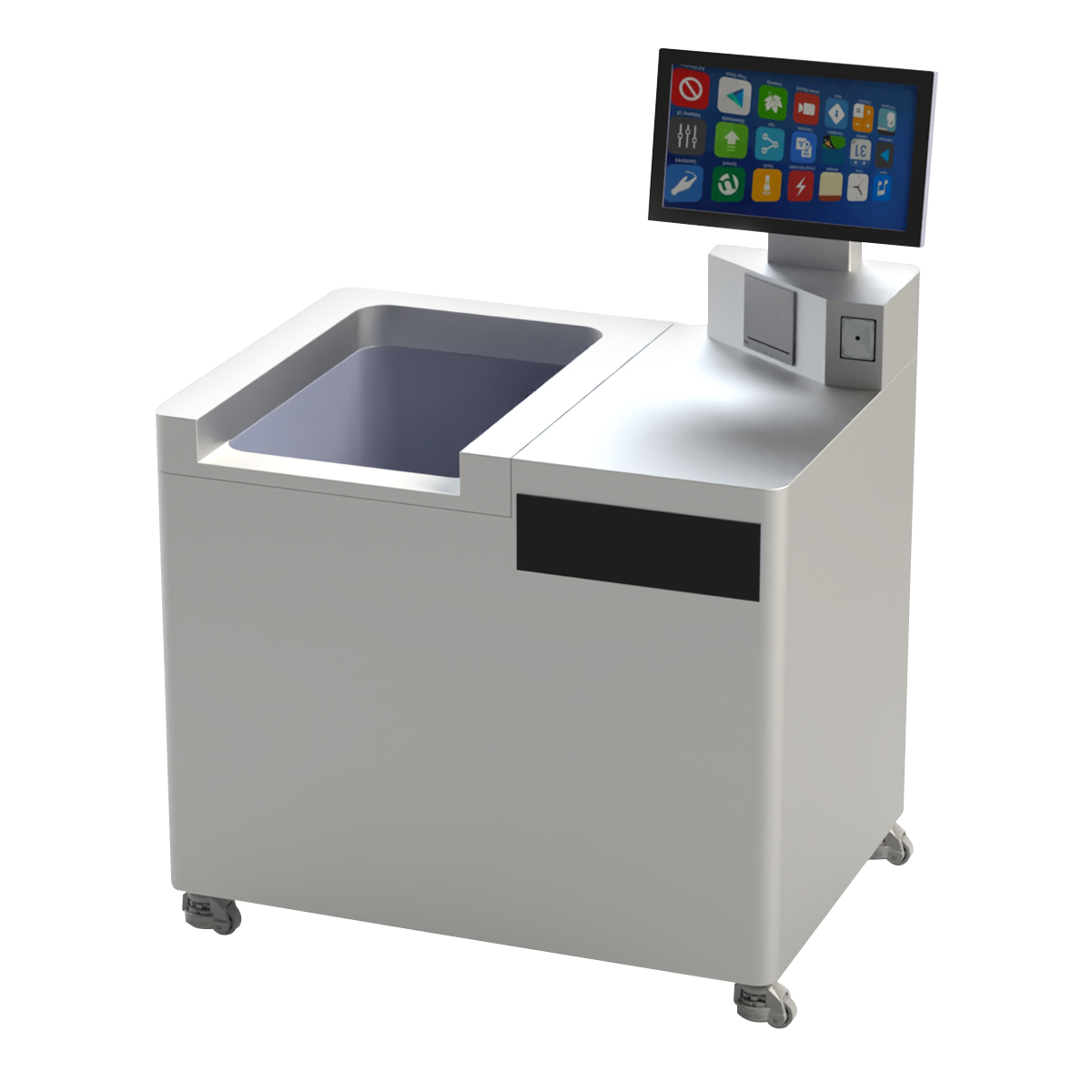
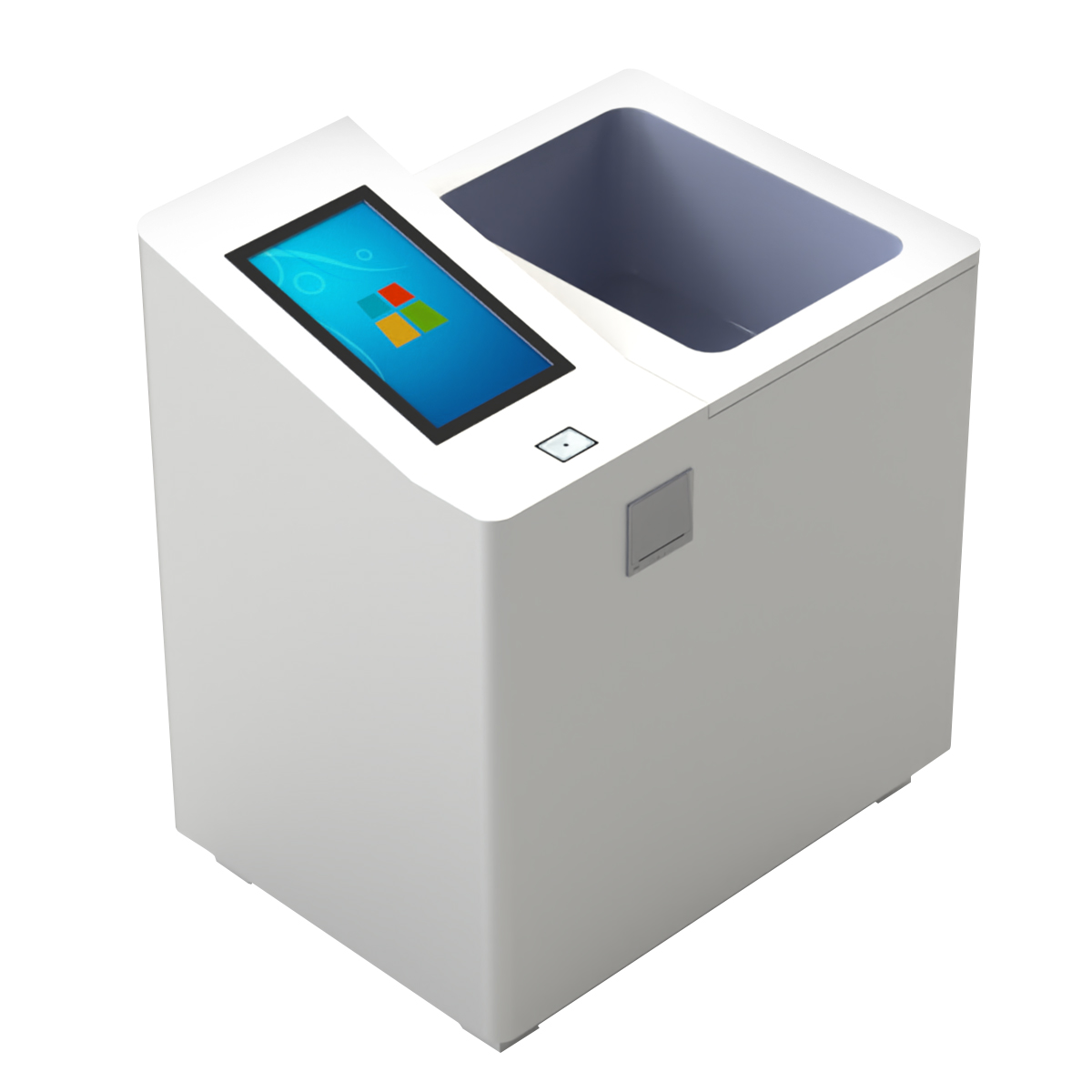
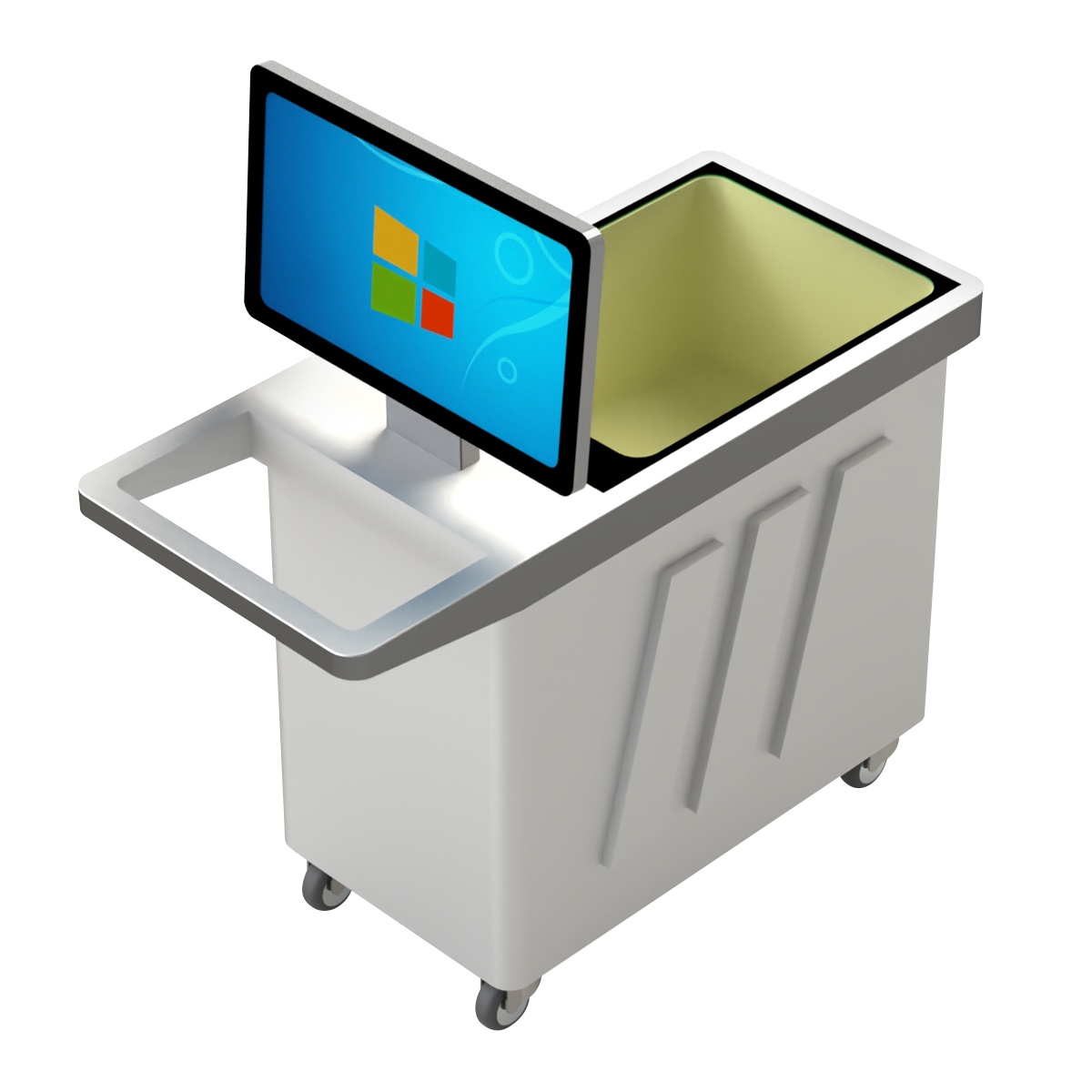
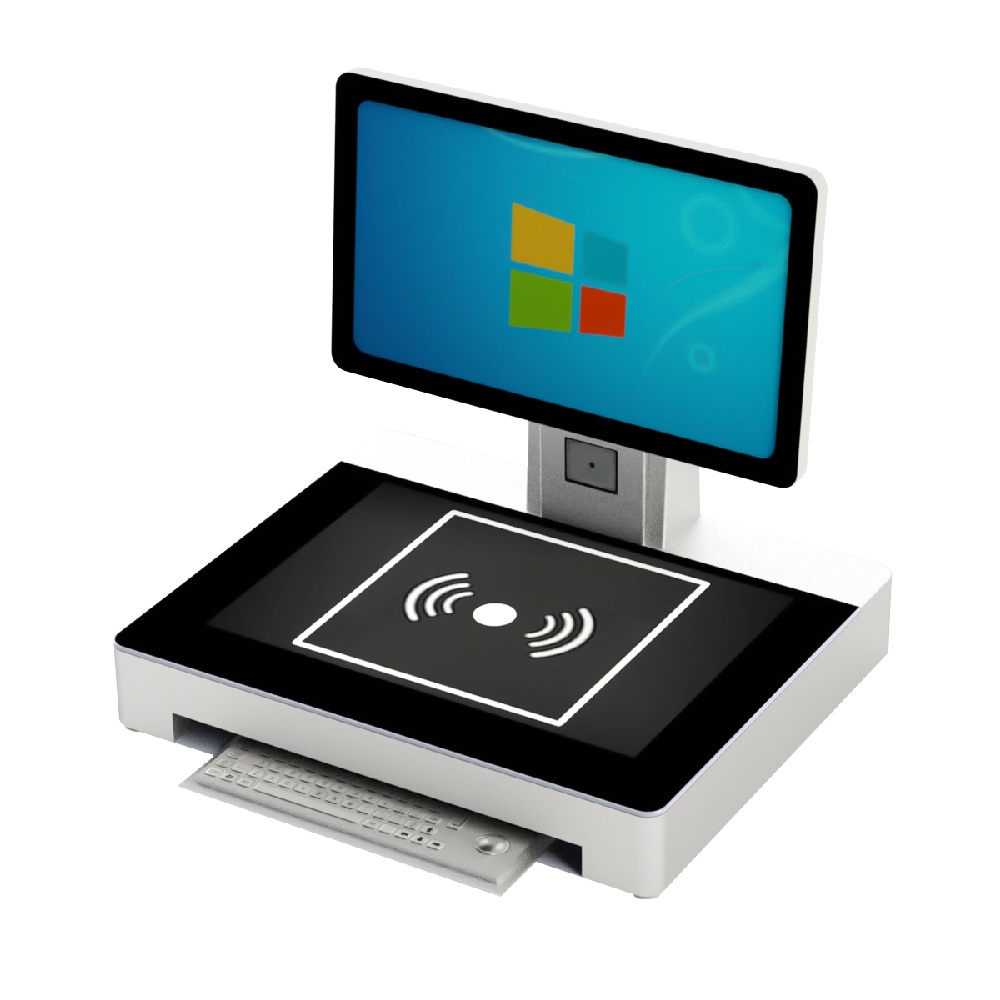
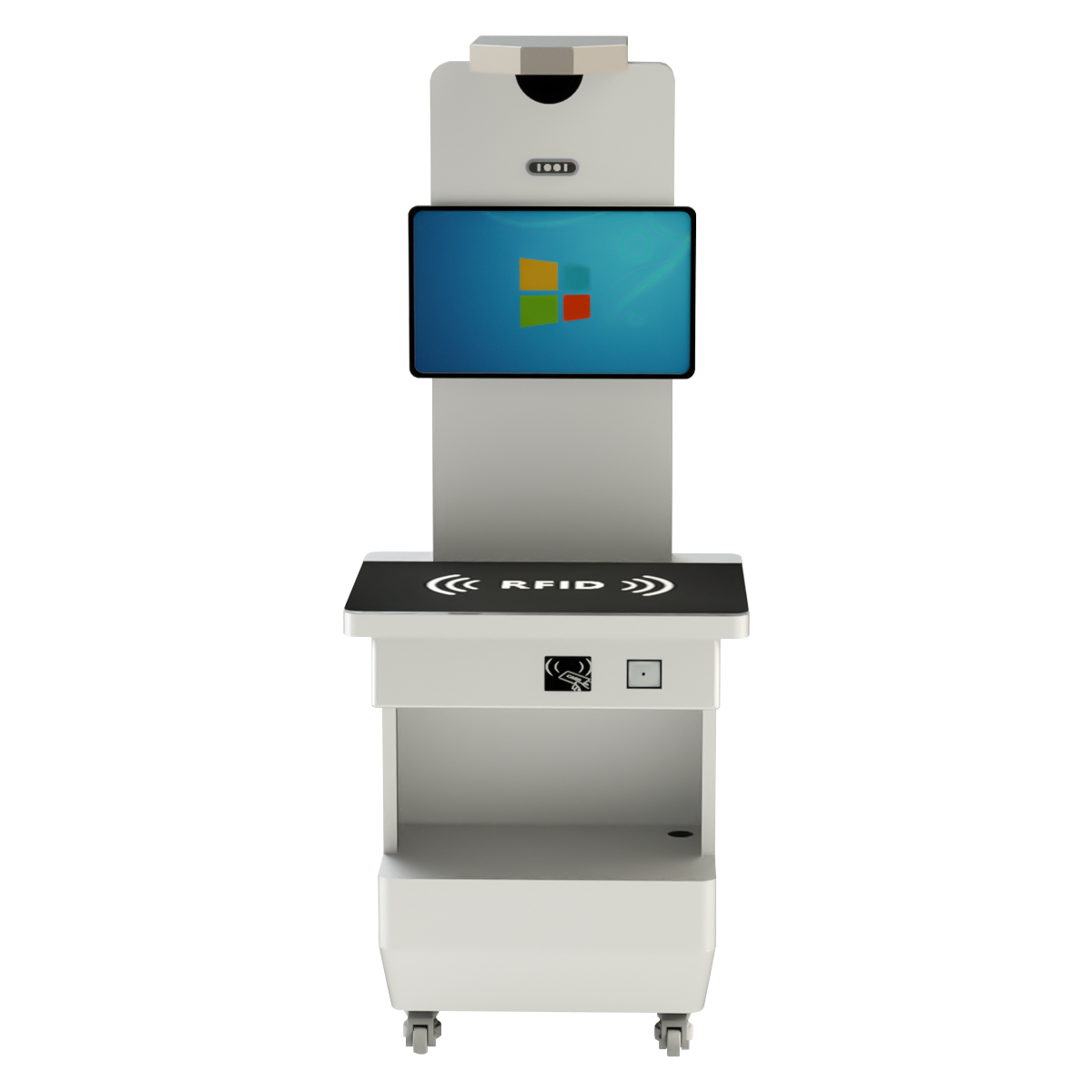
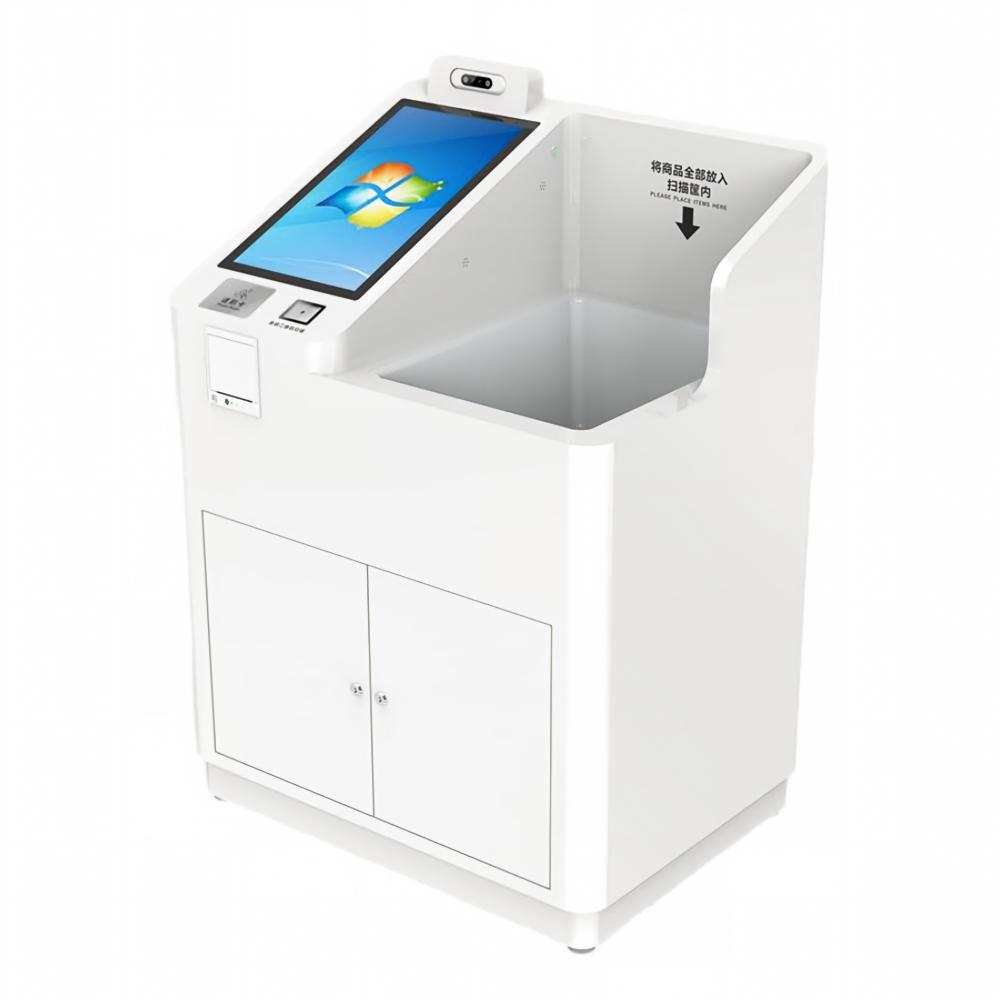
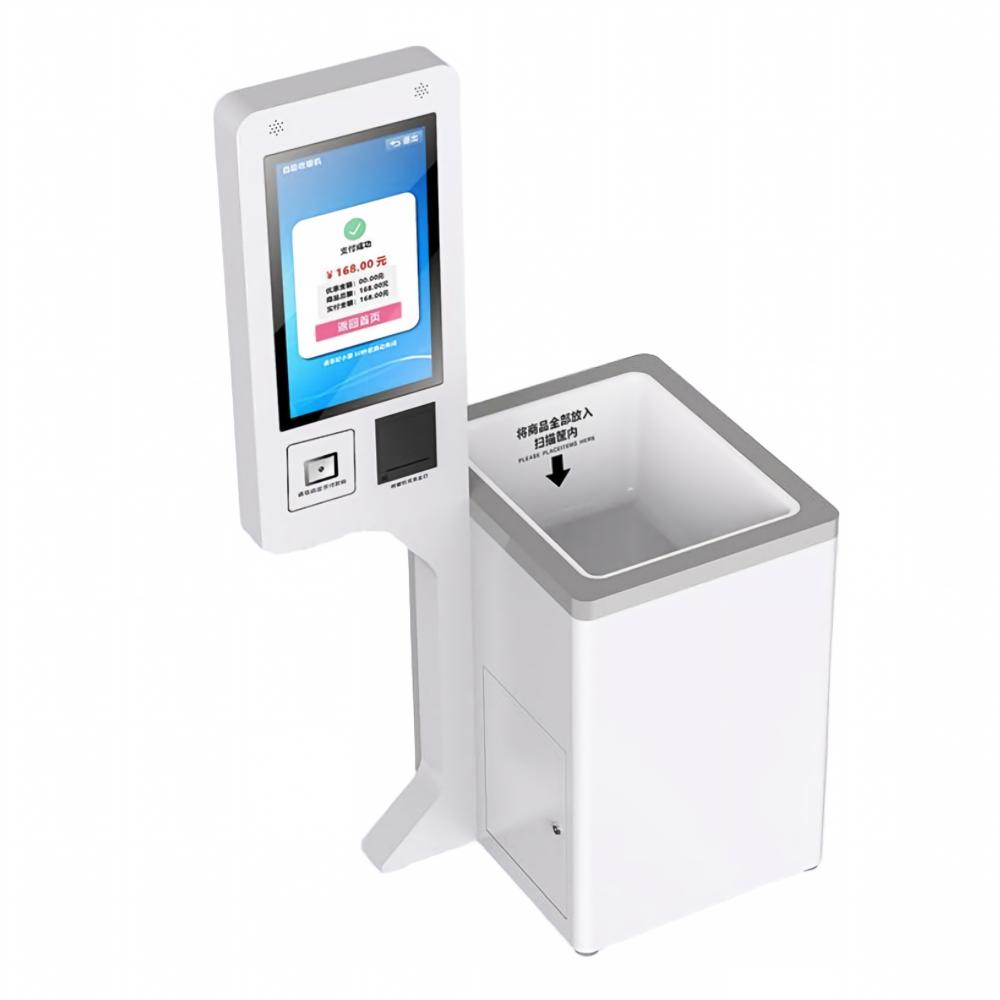
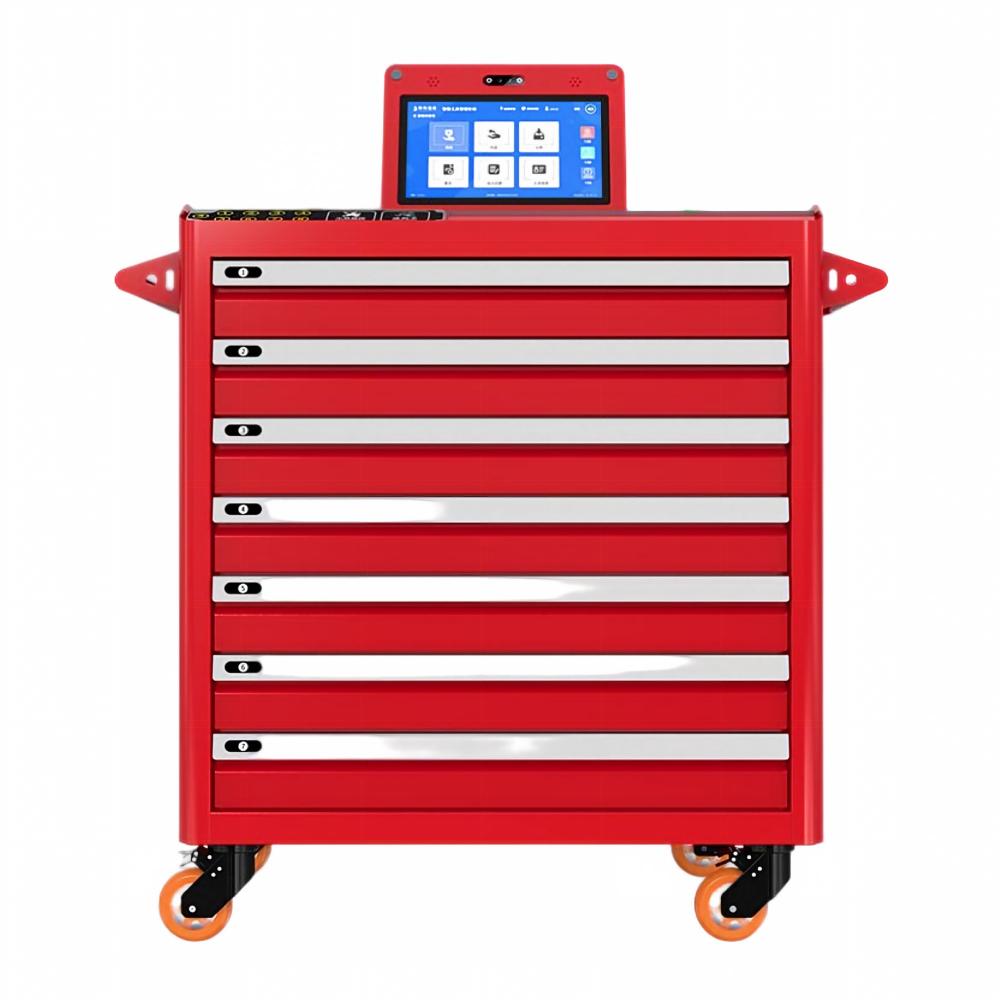
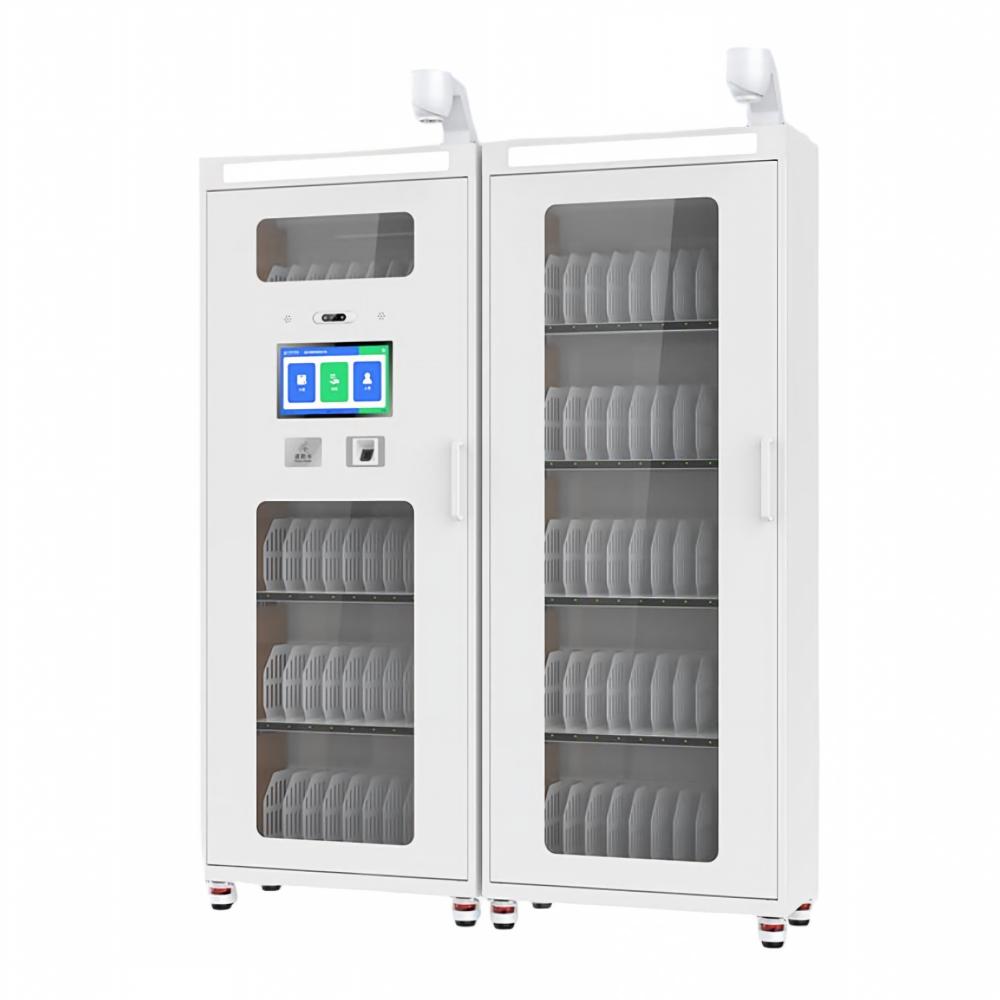
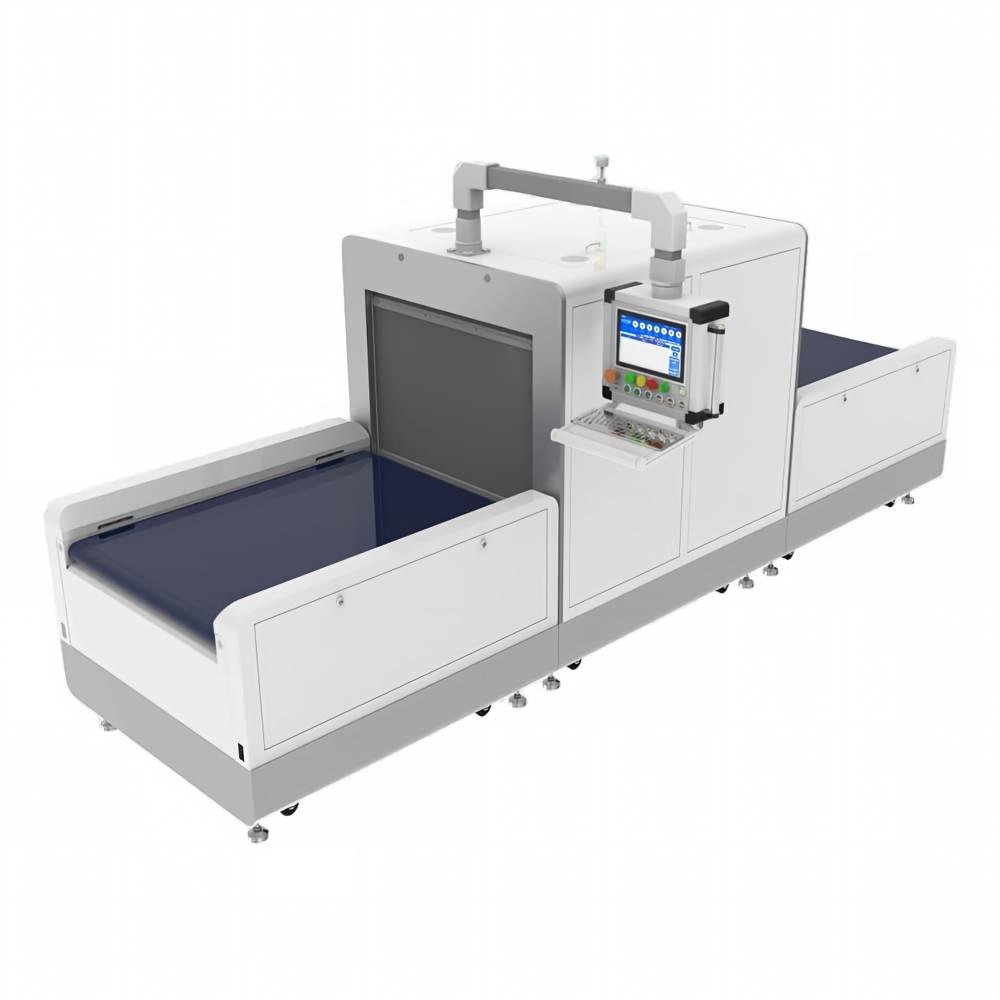
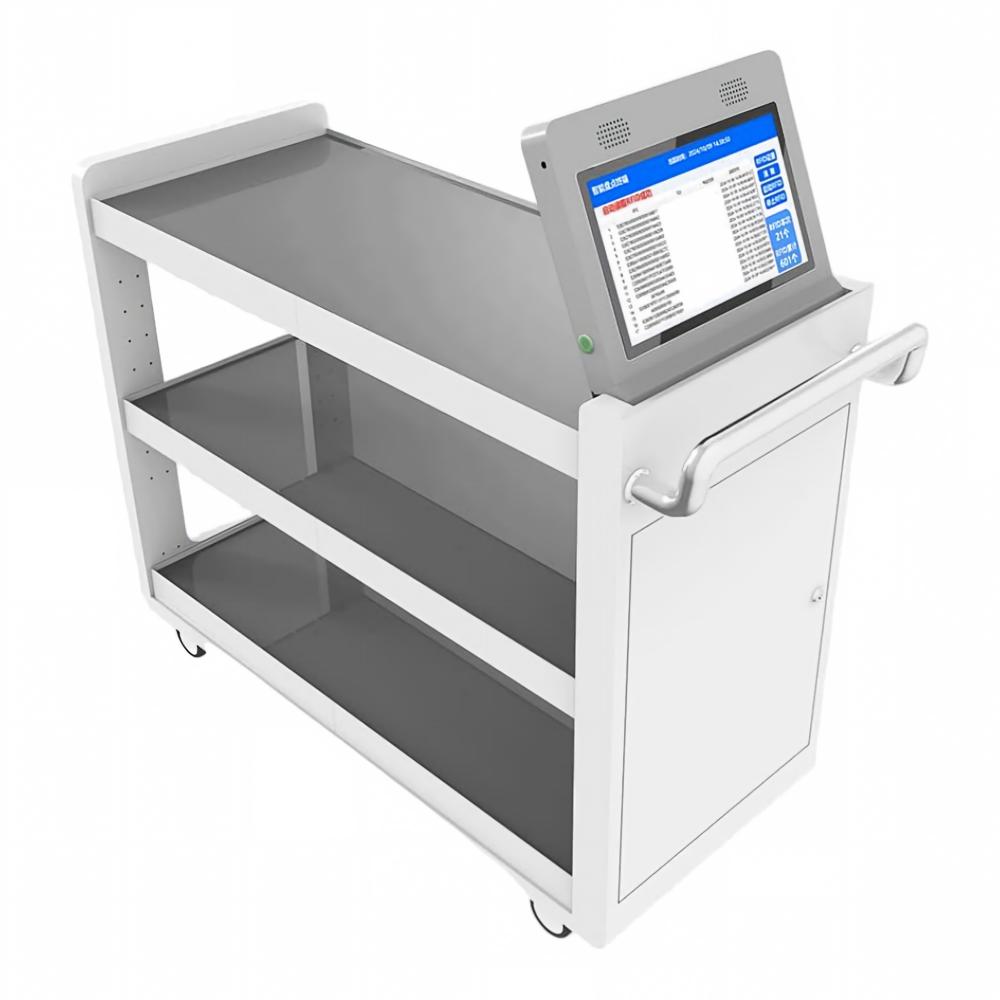
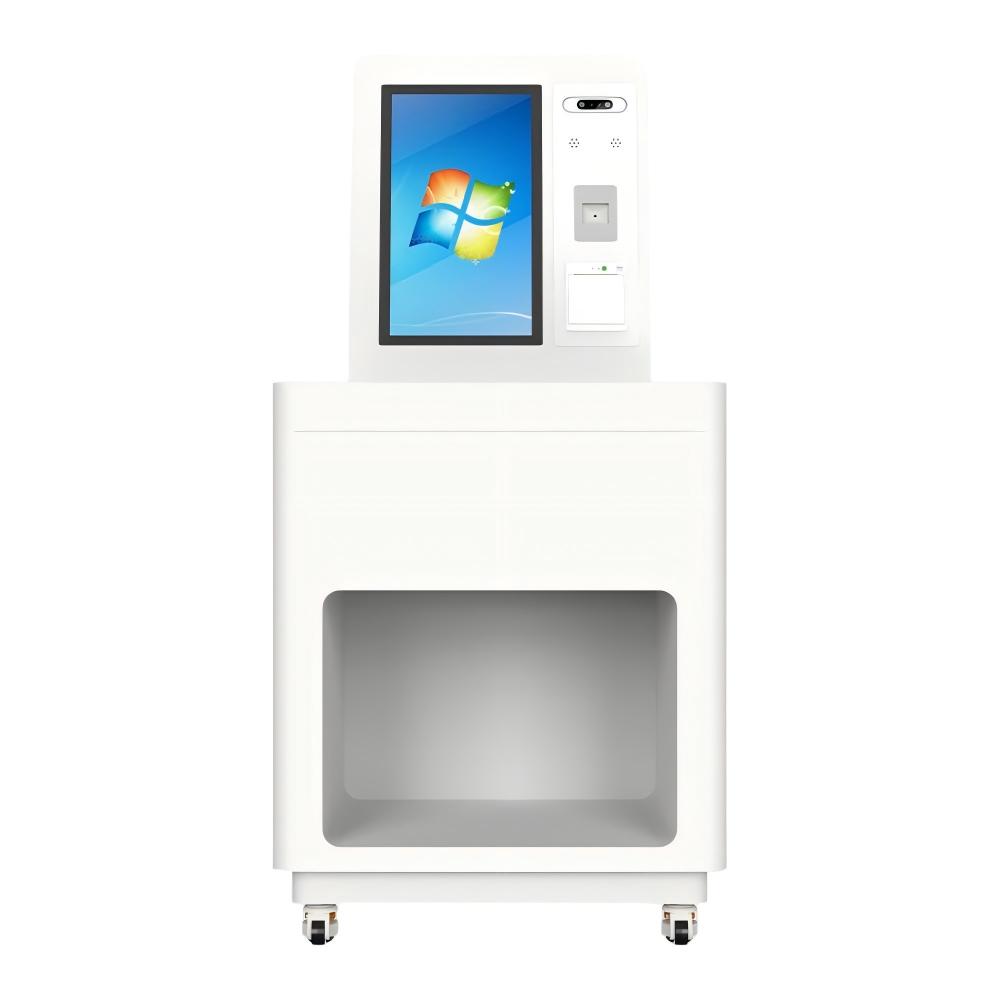
Эта рабочая станция самообслуживания для идентификации с помощью UHF RFID объединяет пакетную RFID-идентификацию, сканирование штрих-кодов, самообслуживание при выдаче и возврате товаров, выдачу и поиск товаров, ведение записей в режиме реального времени и напоминания о нештатных ситуациях. Она оснащена 21,5-дюймовым емкостным сенсорным экраном и поддерживает Windows, а Android доступен в качестве опции.
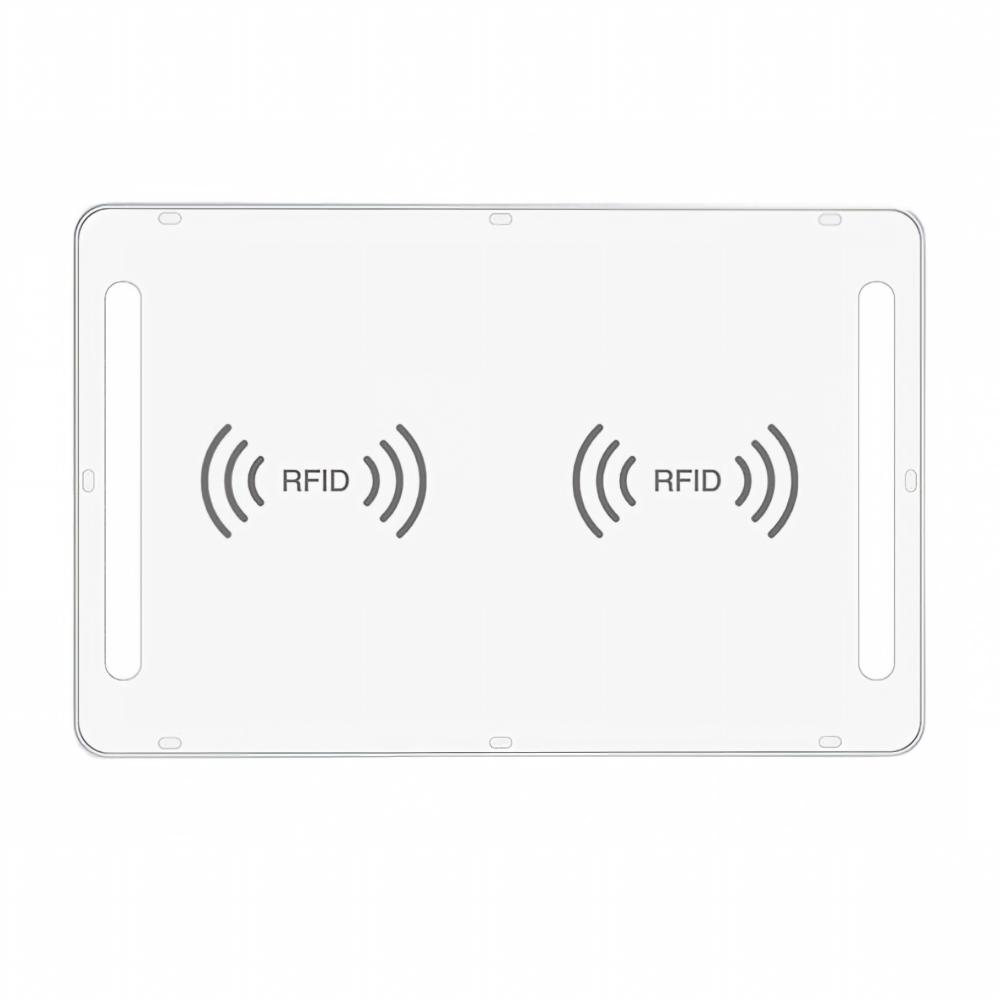
Рабочая станция использует специальную конструкцию антенны ближнего поля для предотвращения непреднамеренного считывания RFID-меток на расстоянии до 80 см. Она поддерживает связь по Ethernet для передачи данных и обновления информации.
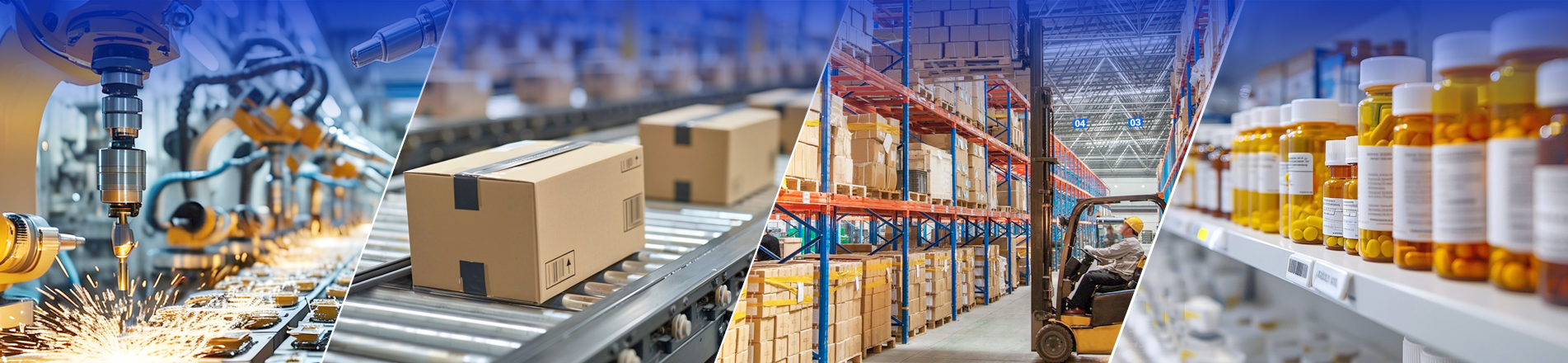
Данный продукт предназначен для использования в библиотеках, архивах, помещениях для хранения расходных материалов в больницах, инструментальных цехах, автоматизированных складах и архивах документов.
Технические характеристики
UHF RFID
- Диапазон частот: 840–960 МГц
- Протокол RFID: ISO 18000-6C / EPC Class 1 Gen 2
- RFID-чипсет: Impinj R2000 или отечественный RFID-чипсет.
- Метод идентификации: UHF RFID
- Время чтения: 1–3 секунды
- Идентификационный номер: ≥30 единиц
Проверка пользователя
- Распознавание лиц: стандарт
- Проверка карты: Стандартная
- Wi-Fi: опционально
- Конфигурация системы
- Операционная система: Windows
- Дополнительная операционная система: Android
- Конфигурация Windows: процессор Intel Core i5 4-го поколения, 8 ГБ оперативной памяти, SSD-накопитель 128 ГБ.
- Конфигурация Android: RK3399, 4 ГБ ОЗУ + 32 ГБ памяти.
Физические характеристики
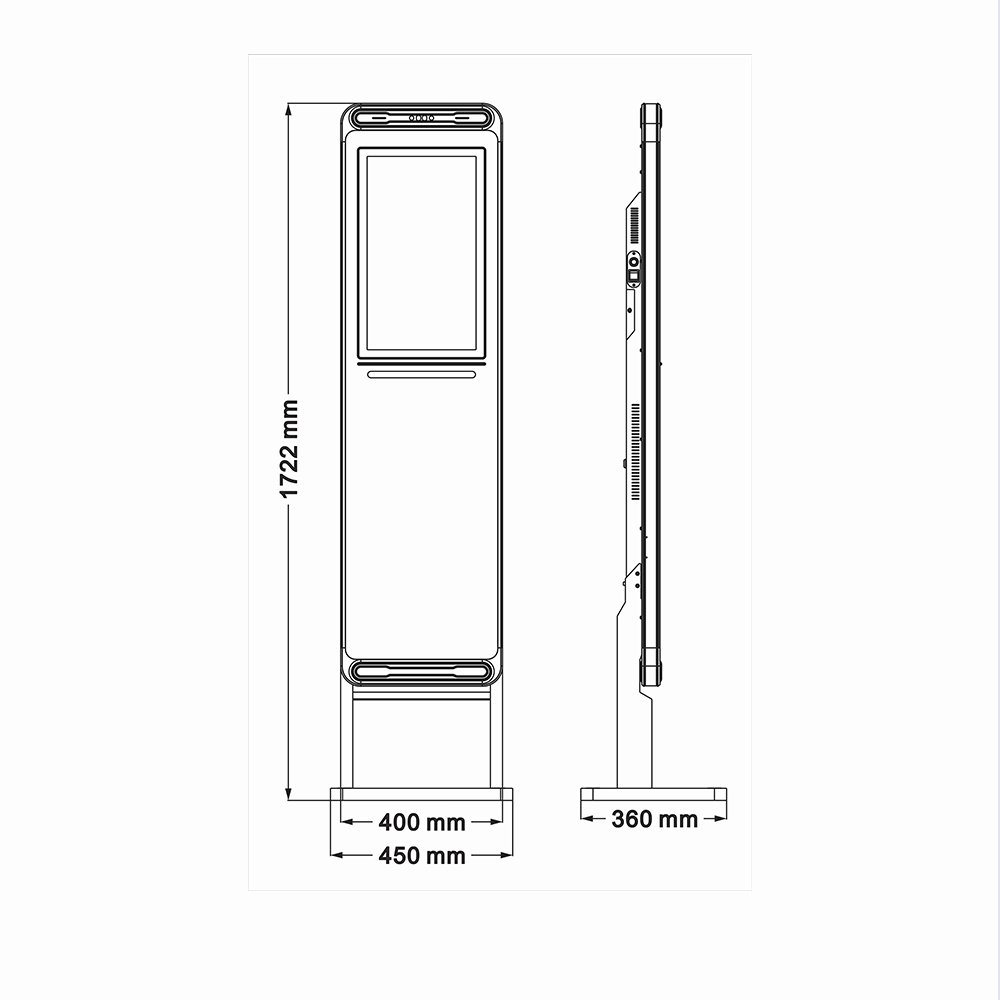
- Габариты: 1722 × 360 × 450 мм
- Дисплей: 21,5-дюймовый емкостный сенсорный экран
- Интерфейс связи: Ethernet
- Способ установки: крепление с помощью анкерных болтов.
Энергетика и окружающая среда
- Входное напряжение: переменный ток 220 В
- Рабочая температура: от 0°C до +60°C
- Рабочая влажность: 10–90% относительной влажности.
- Поддержка разработки
- API: Поддерживается
- Языки разработки: Java и C#
- SDK: Доступен SDK для вторичной разработки.
Приложения
- Библиотеки
- Архивы
- Помещения для расходных материалов в больнице
- инструментальные цеха
- Беспилотные магазины
- комнаты для документов
Часто задаваемые вопросы
Что такое рабочая станция самообслуживания для идентификации с помощью UHF RFID?
Это стационарная RFID-станция, используемая для пакетной идентификации предметов, самостоятельного выдачи и возврата товаров, поиска предметов, ведения учета и управления статусом.
Сколько помеченных предметов оно может распознать одновременно?
В технических характеристиках указано, что минимальное количество идентифицируемых единиц составляет 30. В другом разделе страницы указано более 50 единиц, поэтому окончательное опубликованное количество следует уточнить.
Какие частоты и протоколы RFID он поддерживает?
Он работает в диапазоне частот 840–960 МГц и поддерживает стандарты ISO 18000-6C / EPC Class 1 Gen 2.
Какие операционные системы доступны?
В стандартной комплектации используется Windows, а Android доступен в качестве опции.
Какие методы проверки пользователей поддерживаются?
Распознавание лиц и проверка подлинности карт указаны в качестве стандартных функций.
Поддерживает ли это разработку программного обеспечения?
Да. На странице указана поддержка API, SDK, а также поддержка разработки на Java и C#.

 ru
ru 









 Поддерживается сеть IPv6