Руководство по внедрению системы отслеживания активов с использованием RFID: от планирования до развертывания (2026)
Jul 24, 2026
Быстрый ответ
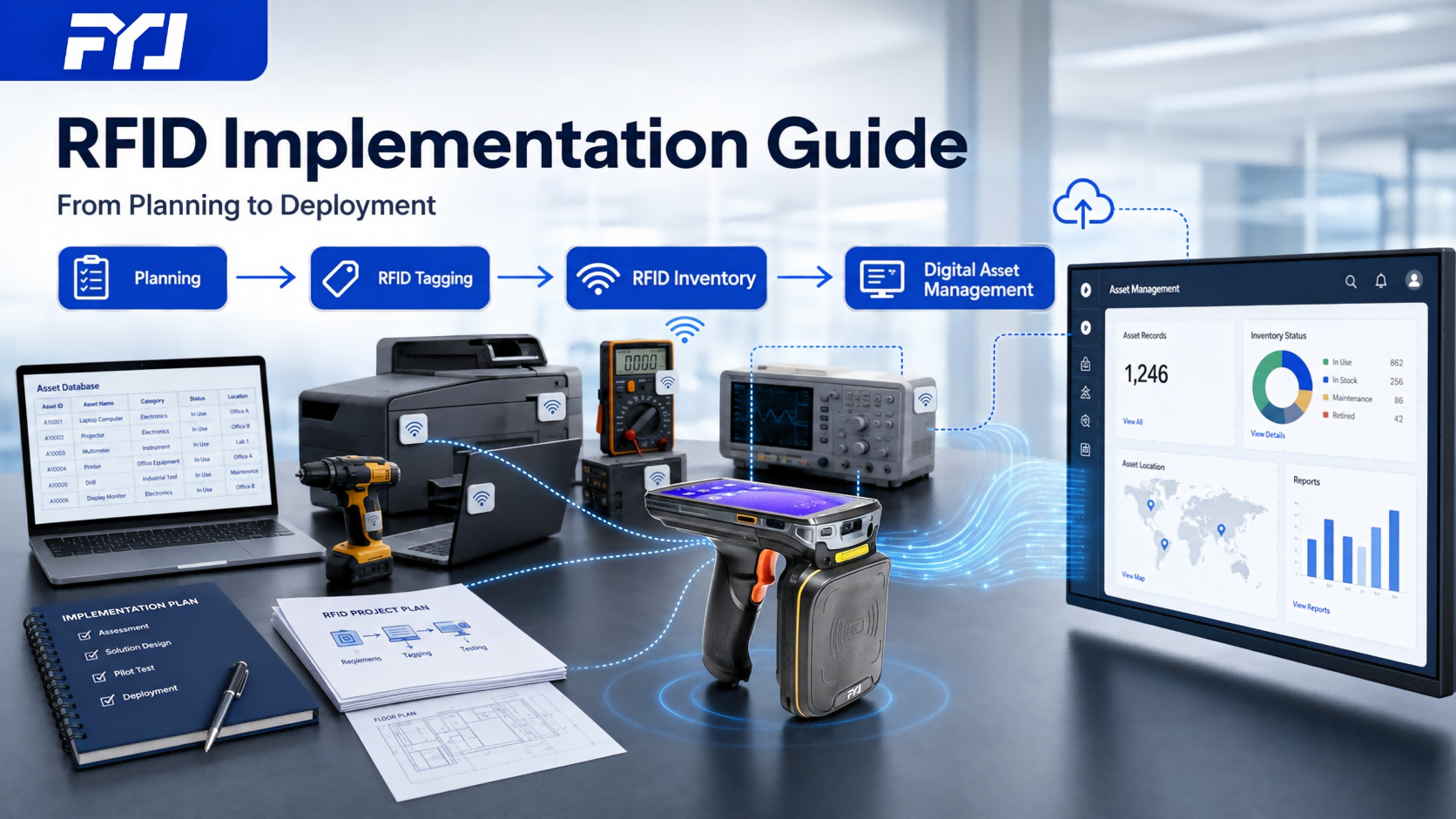
Внедрение системы отслеживания активов с использованием RFID-технологии — это не просто прикрепление RFID-меток и установка RFID-считывателей.
Сама технология — лишь одна часть проекта.
Успешное внедрение RFID обычно включает в себя:
Понимание текущих процессов управления активами
Подготовка точных данных об активах
Разработка подходящих рабочих процессов
Выбор подходящего оборудования
Тестирование системы в реальных условиях
Обучение пользователей
Оптимизация операций после запуска
Наш опыт показывает, что многие RFID-проекты терпят неудачу не потому, что технология не работает.
Они сталкиваются с трудностями, потому что внедрение начинается не с того места.
Компании в первую очередь сосредотачиваются на аппаратном обеспечении, игнорируя при этом вопросы, определяющие долгосрочный успех:
Как сегодня осуществляется управление активами?
Кто пользуется этой системой?
Какие проблемы необходимо решить?
Как сотрудники будут интегрировать RFID в свою повседневную работу?
Практическое решение на основе RFID начинается с бизнес-процессов, а затем технология применяется там, где она создает реальную ценность.
Почему для RFID-проектов недостаточно просто установки оборудования?
Когда компании начинают оценивать возможности RFID-технологий, первые обсуждения часто касаются оборудования.
Они спрашивают:
Какой RFID-считыватель нам следует выбрать?
Каково расстояние для чтения?
Какой тег дешевле?
Сколько устройств потребуется?
Эти вопросы важны.
Однако, как правило, они не являются отправной точкой для успешной реализации.
Система RFID соединяет три различных компонента:
Физические активы
Оборудование, инструменты, устройства или материалы, требующие управления.
Операции бизнеса
Ежедневная деятельность, связанная с этими активами:
Регистрация
Передача
Инвентаризация
Заимствование
Обслуживание
Возвращаться
Платформа цифрового управления
Программное обеспечение, которое хранит информацию и помогает командам управлять активами.
Если эти три части не будут согласованы, после развертывания проекта могут возникнуть проблемы.
Компания может использовать передовое RFID-оборудование, но если учет активов неполный или сотрудники продолжают использовать устаревшие процессы, ожидаемого улучшения может не произойти.
Перед внедрением: ознакомьтесь с существующим процессом управления активами.
Первый этап внедрения RFID заключается в понимании того, как в настоящее время осуществляется управление активами.
Этот этап часто упускается из виду, поскольку он не предполагает использования видимых технологий.
Однако, как правило, именно это определяет качество конечной системы.
По нашему опыту, первый разговор с клиентами редко касается RFID-считывателей.
Обычно всё начинается с более простого вопроса:
Как сегодня осуществляется управление вашими активами?
Проектная группа должна понимать:
Какие виды активов существуют?
Сколько активов необходимо отслеживать?
Где расположены активы?
Кто за них отвечает?
Как часто проводится инвентаризация?
Какие проблемы возникают в процессе ежедневного управления?
Некоторые организации уже ведут цифровые архивы.
Другие по-прежнему в значительной степени полагаются на электронные таблицы, бумажные записи или опыт сотрудников.
Технология RFID улучшает идентификацию и прозрачность, но она наиболее эффективна, когда управленческая база четко определена.
Подготовка данных об активах: основы перед запуском RFID-технологии.
Распространенное заблуждение заключается в том, что RFID автоматически создает точную информацию об активах.
Нет.Технология RFID позволяет быстро идентифицировать объект, но системе по-прежнему необходима значимая информация, содержащаяся в каждой метке.
Например, метка может сообщить системе: Данный актив обнаружен.
Но руководству нужно больше:
Что это за актив?
Какому департаменту это принадлежит?
Кто несёт ответственность?
Где его следует разместить?
Каков его текущий статус?
Что произошло ранее?
Перед внедрением компаниям обычно необходимо провести проверку следующих аспектов:
Учет активов
Включая:
Название актива
Номер актива
Категория
Расположение
Отделение
Информация о пользователе
Правила управления
Включая:
одобрение перевода
Процесс инвентаризации
Права доступа пользователя
Изменения статуса
Многие проекты, использующие RFID-технологии, открывают возможности для повышения качества данных об активах.
Данная технология выявляет проблемы, которые уже существовали.
Реальный проект: управление активами с использованием RFID в медицинской организации.
Китайская организация здравоохранения управляла активами в нескольких подразделениях.
До внедрения RFID-технологии в организации уже имелись цифровые данные об активах.
Сложность заключалась в обеспечении связи между системной информацией и физическим оборудованием.
В ходе инвентаризации сотрудникам по-прежнему приходилось вручную проверять оборудование в разных отделах и сравнивать его физическое состояние с имеющимися записями.
Перед началом реализации проекта группа разработчиков провела следующие проверки:
Существующие категории активов
Требования департамента
Процедуры инвентаризации
Сетевая среда
Решение включало в себя:
RFID-метки для инвентаризации
RFID портативный КПК
Программное обеспечение для управления активами
Возможность работы в автономном режиме
Целью проекта было не просто добавление RFID-оборудования.
Ключевым моментом было создание рабочего процесса, который соответствовал бы тому, как различные отделы фактически управляли своими активами.
Определите объем проекта до его полного развертывания.
Одна из распространенных ошибок в проектах RFID — попытка развернуть все сразу.
Для крупных организаций такой подход может создать излишнюю сложность.
Поэтапное внедрение, как правило, проще в управлении.
Пилотный проект может быть сосредоточен на следующих аспектах:
Один отдел
Одна категория активов
Одно местоположение
Один конкретный рабочий процесс
Цель состоит не только в тестировании технологии.
Это для подтверждения:
Удастся ли сотрудникам комфортно пользоваться системой?
Соответствует ли рабочий процесс повседневным операциям?
Соответствует ли выбор оборудования условиям окружающей среды
Успешное пилотное внедрение снижает неопределенность перед расширением системы.
Тестирование RFID-оборудования в реальных условиях.
Выбор оборудования на этапе внедрения должен основываться на реальных условиях эксплуатации.
Вопрос не в том:
«Какое устройство RFID является самым мощным?»
Более уместный вопрос:
«Какое оборудование подходит для нашей повседневной работы?»
В ходе тестирования команды обычно оценивают:
Производительность RFID-меток
Метка должна надежно работать непосредственно на самом объекте.
Различные материалы и условия окружающей среды могут влиять на производительность.
Например:
Для металлического оборудования могут потребоваться RFID-метки, предотвращающие попадание металла.
Для офисного оборудования общего назначения могут использоваться стандартные бирки.
В особых условиях могут потребоваться индивидуальные решения.
Работа портативного КПК с RFID-технологией
Портативные КПК с RFID-метками обычно используются для:
Инвентаризация активов
Проверка оборудования
Мобильные операции
В ходе тестирования сотрудники должны подтвердить:
Процесс выполнения операции
Эффективность чтения
пользовательский опыт
Применение стационарных RFID-считывателей
Стационарные считыватели полезны, когда требуется автоматическая идентификация.
Типичные сценарии включают в себя:
Контролируемые входы
Области оборудования
Конкретные точки движения
Окончательная конфигурация зависит от того, как активы перемещаются в реальных условиях эксплуатации.
Пилотное тестирование: выявление проблем до полномасштабного внедрения.
Пилотный проект — это этап, на котором технология RFID переходит от стадии планирования к реальной эксплуатации.
Тестирование следует проводить с использованием реальных активов и реальных пользователей.
На этапе пилотного внедрения компании обычно проверяют три области.
Результаты чтения
В число вопросов входят:
Правильно ли идентифицируются теги?
Подходит ли расстояние для чтения?
Существуют ли факторы окружающей среды, влияющие на производительность?
Рабочий процесс пользователя
Внедрение технологий зависит от повседневного опыта.
Команде необходимо обратить внимание на следующее:
Как сотрудники проводят инвентаризацию
Ясны ли этапы операции?
Требуется ли дополнительное обучение?
Программный процесс
Тестирование также должно подтвердить:
Создание задачи инвентаризации
Синхронизация данных
Отчет о различиях
Передача записей
Небольшие корректировки на этапе пилотного внедрения могут предотвратить более серьезные проблемы после развертывания.
Маркировка активов и ввод системы в эксплуатацию.
После завершения пилотного тестирования проект переходит в стадию внедрения.
Именно здесь RFID-технология превращается из проверенного решения в инструмент повседневного управления.
Этап развертывания обычно включает в себя три важных этапа:
маркировка активов
Проверка данных
Обучение пользователей
Установка инвентарных меток
Прикрепление RFID-меток может показаться простым процессом, но способ установки влияет на долговременную эффективность.
При выборе позиции тега следует учитывать следующее:
Результаты чтения
Ежедневное использование
Защита от повреждений
Требования к техническому обслуживанию
Например:
Для производственного инструмента, используемого ежедневно, может потребоваться иной способ установки меток, чем для офисного ноутбука.
Для металлических поверхностей оборудования может потребоваться антиметаллическая RFID-метка и подходящее место для ее установки.
Для часто перемещаемых предметов может потребоваться защита бирки от многократного трения или ударов.
Цель состоит не только в том, чтобы прикрепить этикетку.
Цель состоит в том, чтобы обеспечить надежность RFID-идентификации на протяжении всего жизненного цикла актива.
Проверка активов после маркировки
После прикрепления меток необходимо сопоставить физические активы с цифровыми записями.
На этом этапе часто выявляются проблемы с историческими данными.
Например:
Актив существует физически, но отсутствует в системе.
Запись существует, но местонахождение оборудования неясно.
Один актив имеет несколько записей.
Эти проблемы распространены в сфере долгосрочного управления активами.
Технология RFID не создает этих проблем.
Это просто облегчает их обнаружение.
Очистка этой информации в процессе развертывания помогает повысить точность учета запасов в будущем.
Обучение и внедрение для пользователей
Даже хорошо спроектированная RFID-система требует, чтобы пользователи приняли новый рабочий процесс.
Обучение обычно сосредоточено на практических операциях:
Использование портативных КПК с RFID-технологией
Выполнение задач по инвентаризации
Проверка информации об активах
Обработка переводов
Анализ различий в инвентаризации.
Во многих проектах сотрудники быстро адаптируются, как только понимают назначение системы.
Цель состоит не в том, чтобы добавить еще одну задачу.
Цель состоит в сокращении монотонной ручной работы.
Типичные ошибки при внедрении RFID, которые мы наблюдали.
В реальных проектах с использованием RFID-технологий неоднократно повторяются некоторые проблемы.
Понимание этих проблем до начала развертывания может сэкономить время и избежать ненужных затрат.
Начинать с аппаратного обеспечения, а не с потребностей бизнеса.
Некоторые компании начинают с сравнения RFID-устройств, прежде чем определить саму проблему.
Они могут сначала приобрести оборудование, а затем уже рассматривать следующие варианты:
Кто будет им пользоваться?
Какой рабочий процесс он должен поддерживать?
Какую информацию необходимо руководству?
В результате часто получается система, которая технически работает, но не полностью решает операционную проблему.
Более рациональный подход заключается в том, чтобы сначала определить управленческую цель, а затем выбрать технологию.
Выбор RFID-меток без проверки реальных активов
Эффективность RFID-технологии зависит от конкретных условий эксплуатации.
Метка, которая хорошо работает в простой тестовой среде, может вести себя по-разному при применении к следующим объектам:
Металлическое оборудование
Плотные складские помещения
Промышленные инструменты
Специальные материалы
Проверка репрезентативных образцов техники перед массовым развертыванием может предотвратить множество проблем.
Игнорирование существующих проблем с данными
Многие организации уделяют большое внимание RFID-оборудованию, но недооценивают важность подготовки данных.
Однако неточная информация об активах может повлиять на всю систему.
Примеры:
Неправильное расположение активов
Отсутствуют ответственные пользователи
Неполные записи
Технология RFID повышает прозрачность, но не позволяет автоматически исправлять некачественные управленческие данные.
Ожидается, что RFID заменит процессы управления.
RFID — это технологический инструмент.
Это улучшает:
Идентификация
Эффективность управления запасами
Видимость активов
Но это не заменяет:
Процессы утверждения
Управление ответственностью
Процедуры технического обслуживания
Наилучшие результаты обычно достигаются, когда использование RFID-технологии способствует улучшению процесса управления.
Сроки внедрения RFID: сколько времени занимает развертывание?
Срок реализации зависит от:
Количество активов
Количество местоположений
Требования к программному обеспечению
Сложность аппаратного обеспечения
Среда развертывания
Общая справочная информация:
Этап проекта
Типичная продолжительность
Анализ требований
1–3 недели
Разработка решения
1–3 недели
Пилотные испытания
2–4 недели
Маркировка и размещение активов
1–3 недели
Оптимизация после запуска
Непрерывный
Небольшие проекты могут быть завершены быстрее.
Крупным организациям с множеством филиалов, сложными рабочими процессами или особыми сетевыми требованиями обычно требуется больше времени.
Этап подготовки часто определяет окончательные сроки.
Проекты с систематизированными данными об активах и четкими требованиями обычно продвигаются гораздо быстрее.
Реальный проект: инвентаризация активов с использованием RFID-технологии в научно-исследовательском учреждении.
Научно-исследовательское учреждение уже использовало существующую систему управления.
Проблема заключалась не в отсутствии цифровых записей.
Проблема заключалась в том, что для проведения инвентаризации по-прежнему требовалась значительная ручная проверка.
По мере увеличения количества технических средств проверка оборудования по одному становилась все более трудоемкой.
Внедрение RFID-технологии было направлено на улучшение связи между физическими активами и существующими цифровыми записями.
Решение включало в себя:
RFID-метки для инвентаризации
Оборудование для печати RFID-меток
RFID портативный КПК
Интеграция программного обеспечения для управления активами
Перед полномасштабным развертыванием проектная группа провела тестирование:
Места установки меток
Результаты чтения
Рабочий процесс инвентаризации
Синхронизация данных
Реализация выявила важный момент:
Технология RFID не всегда заменяет существующие системы управления.
Во многих случаях это работает как дополнительный идентификационный слой, повышающий точность информации о физических активах.
Реальный опыт реализации проекта: развертывание RFID-технологии в контролируемой сетевой среде.
Некоторые организации предъявляют строгие требования к среде обработки данных.
Для таких проектов планирование развертывания приобретает особое значение.
В одном из проектов по управлению активами с использованием RFID-технологии организации требовалось, чтобы система работала во внутренней сетевой среде.
В ходе реализации основное внимание было уделено следующим аспектам:
Развертывание локальной системы
Внутреннее управление данными
Идентификация активов на основе RFID
Мобильные операции по учету запасов
Перед запуском проектная группа подтвердила:
Совместимость оборудования
Методы синхронизации данных
Процедуры работы пользователя
Подобные проекты демонстрируют, почему требования к развертыванию следует учитывать на ранних этапах.
Техническая среда напрямую влияет на:
Архитектура программного обеспечения
Выбор оборудования
Методы ежедневной работы
Как компания FYJ поддерживает внедрение системы отслеживания активов с помощью RFID-технологии
Для реализации RFID-проекта требуется не только поставка оборудования.
Конечный результат зависит от того, насколько эффективно взаимодействуют аппаратное обеспечение, программное обеспечение и бизнес-процессы.
Компания FYJ оказывает поддержку на протяжении всего процесса внедрения.
Планирование решений
На основе:
Типы активов
Рабочая среда
Требования к запасам
Цели управления
Компания FYJ помогает разработать подход к использованию RFID, подходящий для конкретного применения.
Конфигурация оборудования
Включая:
RFID-метки для инвентаризации
RFID портативный КПК
RFID-считыватели
RFID-принтеры
При выборе оборудования основное внимание уделяется требованиям конкретного приложения, а не просто выбору техники с самыми высокими техническими характеристиками.
Конфигурация программного обеспечения
В поддержку:
Регистрация активов
Управление запасами
Передача записей
Отслеживание статуса
Отчеты и панели мониторинга
Поддержка развертывания
Включая:
Настройка системы
Пилотные испытания
Обучение пользователей
Техническая помощь
В отличие от компаний, которые предоставляют только RFID-оборудование, FYJ объединяет RFID-устройства, программное обеспечение для управления активами и опыт внедрения, чтобы помочь организациям создавать практичные RFID-решения.
Часто задаваемые вопросы: Внедрение системы отслеживания активов с помощью RFID.
Сколько времени обычно занимает внедрение RFID-технологии?
Сроки зависят от масштаба проекта, количества активов, объема развертывания и системных требований.
Небольшой пилотный проект может занять несколько недель, в то время как более масштабные корпоративные внедрения могут потребовать нескольких месяцев.
К чему должны подготовиться компании перед внедрением RFID-технологии?
Перед выбором оборудования компаниям следует подготовить точную информацию об активах, определить рабочие процессы управления и уточнить требования к развертыванию.
Тщательная подготовка помогает сократить количество корректировок после запуска системы.
Стоит ли компаниям начинать с пилотного проекта по использованию RFID-технологий?
Для многих организаций пилотный проект является практичным подходом.
Это позволяет командам тестировать производительность RFID, работу пользователей и проектирование рабочих процессов перед расширением проекта.
Может ли технология RFID работать с существующими системами ERP или системами управления активами?
Да.Технология RFID может взаимодействовать с существующими системами, улучшая идентификацию физических активов, сбор инвентарных данных и учет перемещений.
Какие наиболее распространенные проблемы возникают при внедрении RFID?
К числу распространенных проблем относятся:
Низкое качество данных об активах
Неправильный выбор тега
Отсутствие планирования рабочих процессов
Ограниченное обучение пользователей
Большинство проблем можно свести к минимуму за счет надлежащей подготовки перед развертыванием.
Заключение
Внедрение системы отслеживания активов с помощью RFID-технологии не считается завершенным после прикрепления меток и установки устройств.
Реальная ценность системы проявляется тогда, когда она становится частью повседневной работы.
Успешные проекты в области RFID обычно основываются на нескольких ключевых принципах:
Четкая информация об активах
Подходящий выбор технологии
Практические рабочие процессы
Внедрение пользователями
Непрерывное совершенствование
Технология RFID позволяет идентифицировать активы и собирать информацию о них.
Процесс внедрения определяет, станет ли эта информация полезной системой управления.
Планируете проект по отслеживанию активов с помощью RFID-технологии?
Каждая организация обладает различными ресурсами, рабочими процессами и техническими требованиями.
FYJ может помочь в оценке:
выбор RFID-меток
Настройка КПК и считывателя RFID
проектирование рабочих процесс
ЧИТАТЬ ДАЛЕЕ

 ru
ru 





 Поддерживается сеть IPv6