Introduction: When Traditional Management Meets Technological Limits
In traditional logistics and warehouse management, have you ever faced these situations?
Warehouse stocktaking requiring all-hands overtime, frequent missed or incorrect scans during manual barcode reading, spending hours locating a critical piece of equipment… These pain points silently erode organizational efficiency and profitability.
The emergence of RFID technology is quietly rewriting the rules of the game.
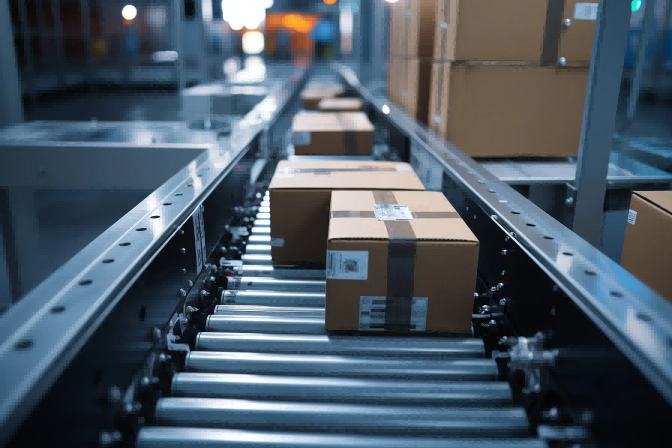
RFID Fundamentals — More Than Just an “Advanced Barcode”
1.1 What is RFID?
RFID (Radio Frequency Identification) is a technology that uses radio waves to automatically identify objects and capture related data. Unlike barcodes that require direct line-of-sight, RFID tags can be read from several meters away without visual contact.
1.2 The Three Core Components:
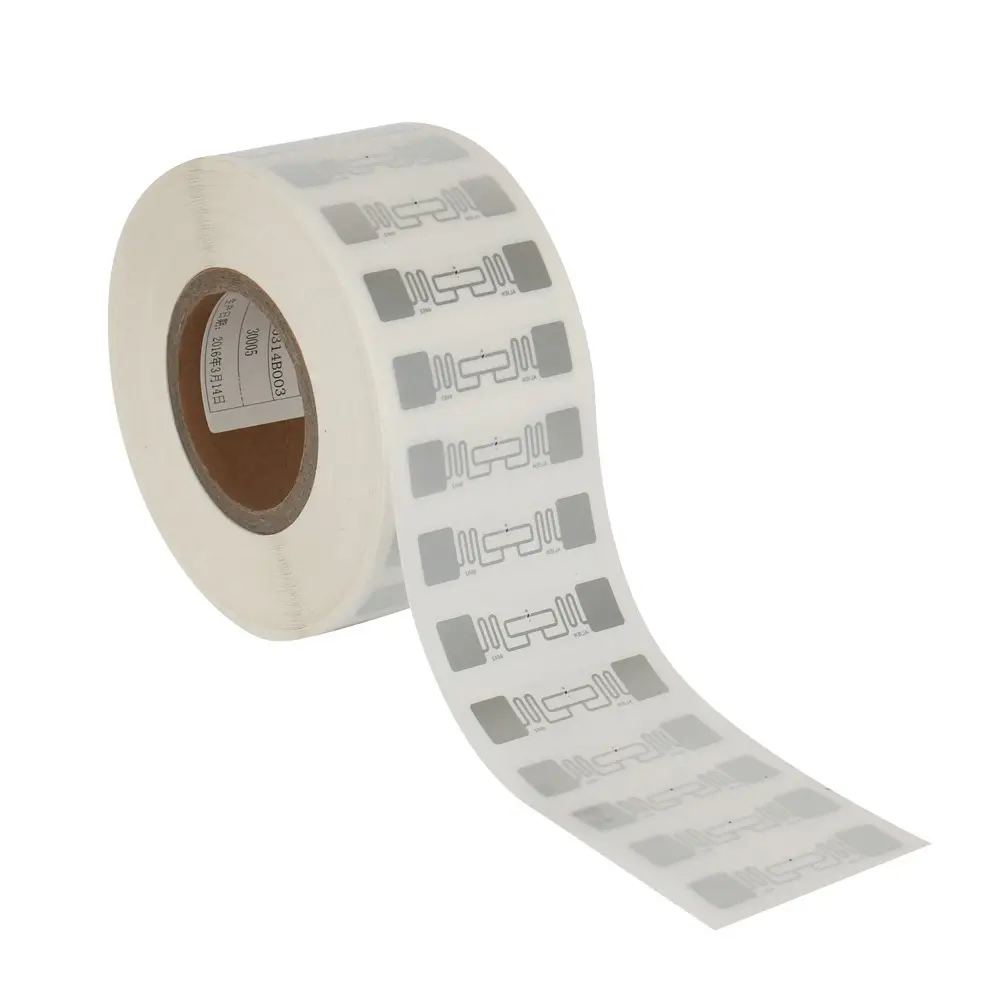
Industrial UHF RFID Tags: Microchips integrated with an antenna, attached to items
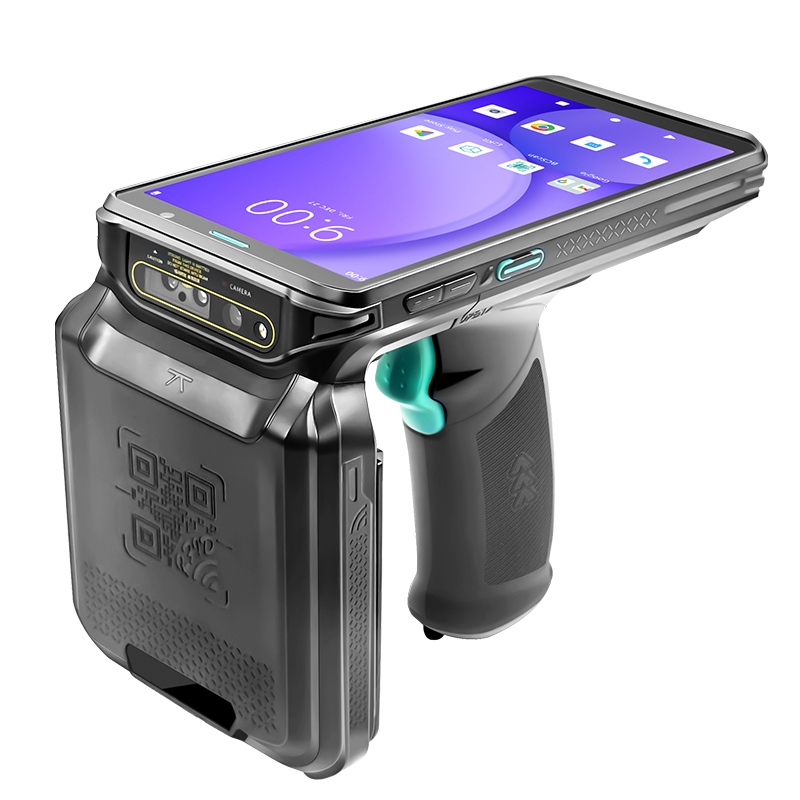
Long Range RFID Readers: Devices that transmit and receive radio signals to communicate with tags
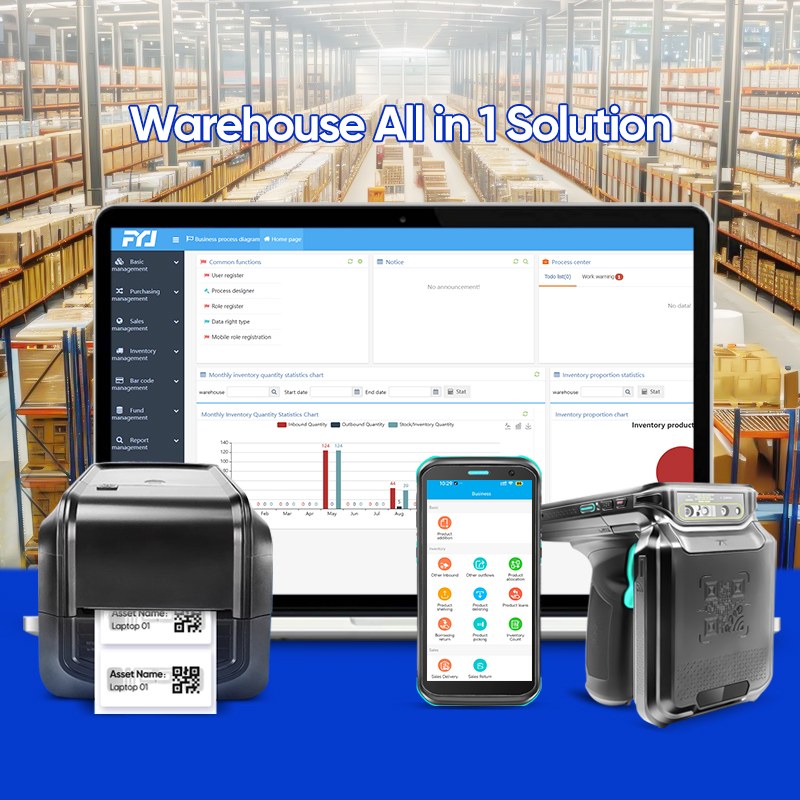
Enterprise RFID Management Software: Software that processes, analyzes, and stores the captured data
UHF RFID — The Game Changer for Logistics and Warehousing
2.1 Key Advantages of UHF RFID
Operating in the 860–960 MHz frequency range, Ultra-High Frequency (UHF) RFID offers:
Longer read ranges — up to 10–15 meters
Bulk reading capability — hundreds of tags simultaneously
High-speed reading — 1,000+ tags per second
Better penetration — can read through non-metallic materials
2.2 Technology Comparison
| Parameter |
Low-Frequency RFID |
High-Frequency RFID |
UHF RFID |
| Frequency Range |
125–134 kHz |
13.56 MHz |
860–960 MHz |
| Read Range |
< 0.5 m |
< 1.5 m |
1–15 m |
| Read Speed |
Slow |
Moderate |
Very Fast (bulk read) |
| Interference Resistance |
High |
Moderate |
Sensitive to metals/liquids |
| Typical Applications |
Access control, animal tracking |
Libraries, payment cards |
Logistics, warehousing, retail |
The RFID Revolution in Logistics
3.1 End-to-End Visibility
From supplier to end-customer, every package, pallet, or container equipped with an RFID tag enables real-time tracking of:
In/out timestamps and responsible personnel
Transportation routes and transit points
Environmental conditions (with integrated sensors)
ETAs and exception alerts
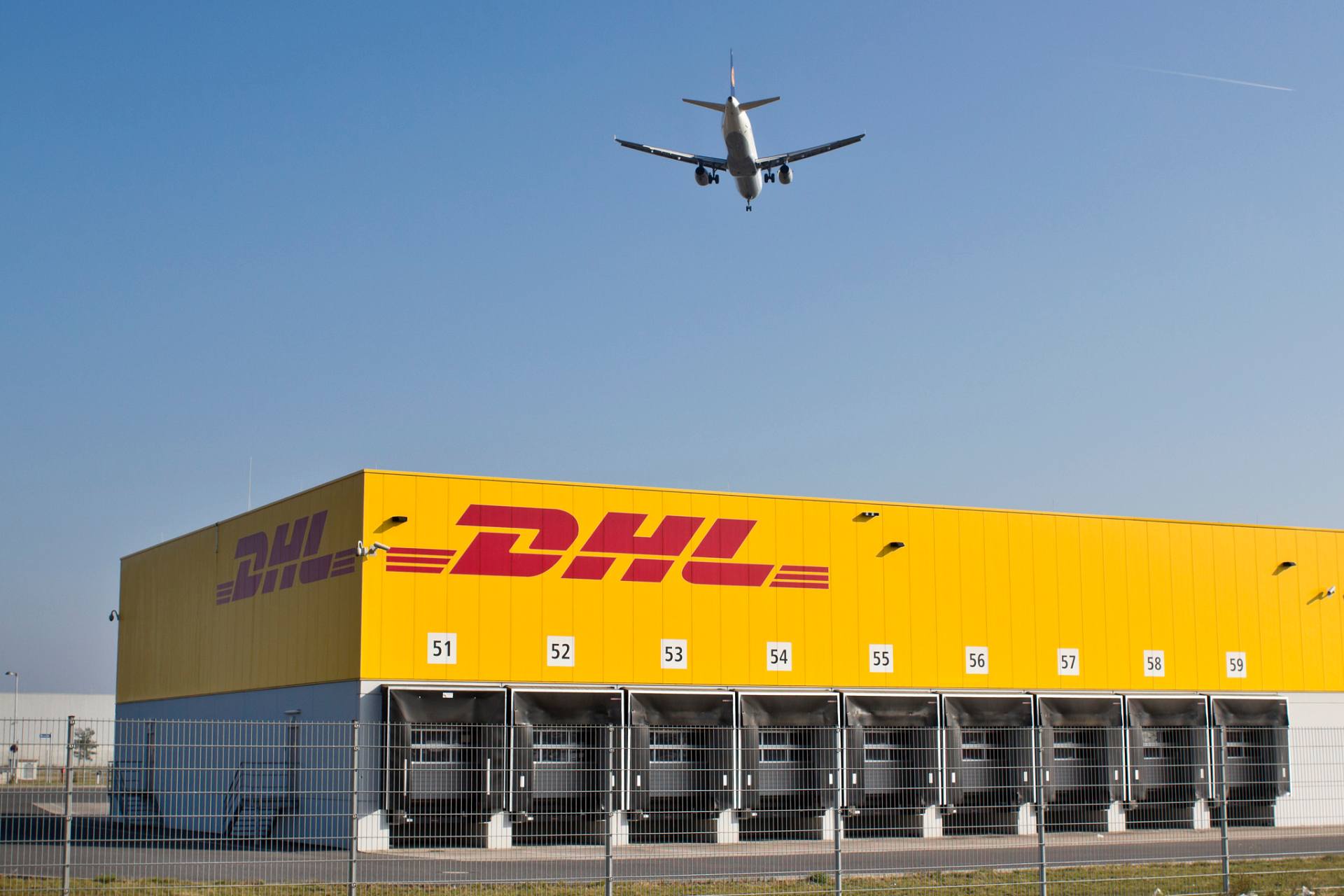
3.2 Real-World Case: DHL
After deploying UHF RFID systems in its logistics centers, DHL achieved:
40% faster cargo processing
90% reduction in manual stocktake time
99.9% order accuracy
Annual savings of millions in operational costs
RFID Solutions for Smart Warehousing
4.1 Revolutionary Inventory Counting
Traditional manual count: 1 hour for 500 items
RFID count: 1,000 items in 1 minute
This leap in efficiency comes from RFID’s bulk-read capability. Staff simply walk through aisles with a handheld or vehicle-mounted reader, capturing data from hundreds of items in seconds.
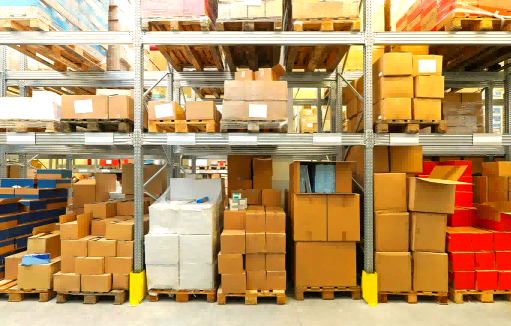
4.2 Smart Shelving & Real-Time Inventory
RFID-enabled smart shelves can:
Automatically log item removal and replacement
Monitor stock levels in real time and trigger auto-replenishment
Prevent misplacement and optimize space utilization
Eliminate “lost stock” scenarios

 ru
ru 





 Поддерживается сеть IPv6